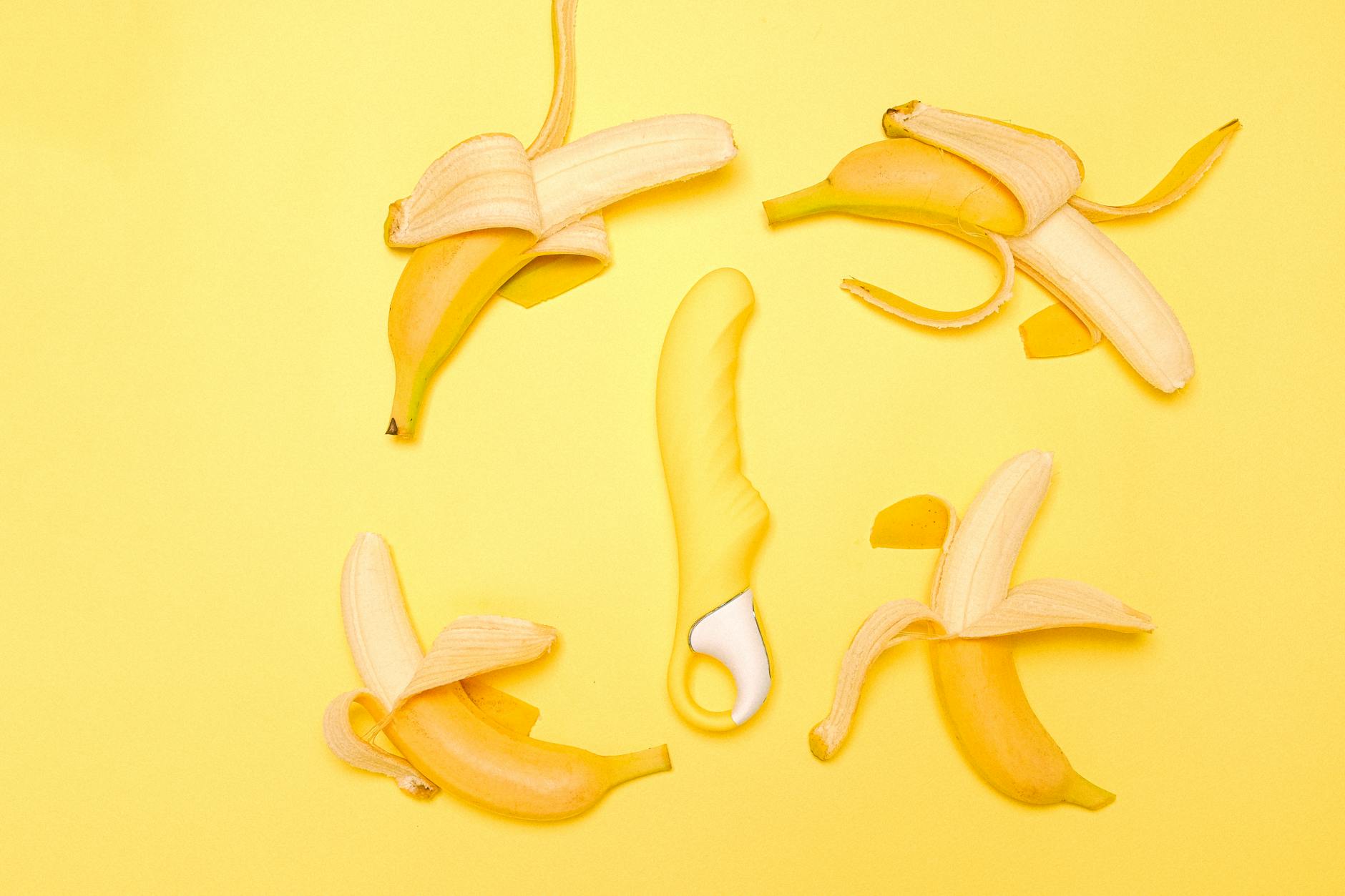
How to Restart Lemon Vibrator Pleasure After a Relationship Breakup
Your body isn't broken. Your nervous system is protecting itself. Here's how to rebuild solo pleasure, dismantle the shame, and remember what your clitoris actually knows about joy.
They steal your body back from you. After months or years of touching and being touched within the context of "us," solo pleasure suddenly feels wrong, selfish, or worse. Empty. Your nervous system has learned to associate arousal with another person, and when that person vanishes, so does the permission.
That's not weakness. That's attachment working exactly as it should.
The work of rebuilding isn't about waiting for time to pass or forcing yourself to orgasm through the grief. It's about slowly, deliberately severing the link between your pleasure and another person's presence. A lemon clitoral vibrator can be part of that work. But only if you understand what you're actually rebuilding.
Breakup grief isn't rational. Your body mourns the loss of routine touch, the specific way your ex kissed your neck, the rhythm you built together over years. When you try to pleasure yourself afterward, your brain doesn't locate some neutral button. It triggers the entire absence. The phantom weight of them. The conversation you still need to have.
That's particularly true if the sex was good. Good sex creates a kind of neural groove. Your clitoris learned their touch. Your nervous system learned to relax with them. When they're gone, your body doesn't know how to access pleasure without recreating the conditions they provided.
Adding a lemon vibrator into this moment doesn't erase that grief. But it does create a new neural pathway. A different groove. One that belongs entirely to you.
Forget the "six months" rule. Forget the Instagram advice to "focus on yourself." What matters is whether your nervous system is ready to feel pleasure without it being intertwined with pain.
For some people, that's three weeks. For others, it's six months. The real marker is this: can you think about your body without thinking about them? Not forever. Just for ten minutes. If the answer is no, a lemon vibrator won't help yet. Grief counseling, a therapist, time with friends who won't let you spiral. Those come first.
If you can get there. If there's even a moment where your pleasure isn't immediately shadowed by what you lost. That's when you're ready to restart.
Here's what trips people up: using a vibrator solo after a breakup can feel like admitting defeat. Like you should be out dating, not at home with a silicone toy. Like pleasure without a partner means you're not healing, you're hiding.
That's nonsense, but it's powerful nonsense.
Let me be clear. Solo pleasure after a breakup isn't a substitute for going out or eventually dating again. It's a reminder that your body is yours. That you can access joy independently. That arousal is a neutral biological response, not a referendum on whether you're "over" someone.
Using a lemon clitoral vibrator isn't hiding. It's claiming back territory.
Three things before you even power on a lemon vibrator.
First: environment matters. You need privacy, yes. But you also need a space that doesn't carry heavy association with your ex. If you lived together, this might mean moving the experience to a different room, a friend's place, a hotel room. Your nervous system needs permission to believe this is new.
Second: manage expectations hard. You probably won't have an orgasm the first time. You might not have one for a few sessions. That's not failure. That's your nervous system still processing the loss. A lemon vibrator isn't a magic reset. It's a tool for slowly retraining your body to trust pleasure again on your terms.
Third: choose solo time when you're not grieving actively. Not during the hours when you'd normally text them. Not right after you see a photo of them with someone new. Pick a moment when you're simply existing. Tuesday afternoon. A lazy Sunday. When you're not fighting off the acute sting.
If you're using a lemon vibrator or any clitoral vibrator for the first time after a breakup, go slower than you think you need to.
Start with the lowest intensity. The Lem, for instance, has multiple patterns. Begin with pattern one. Let your clitoris remember what it feels like to be stimulated in a way that's purely about sensation, not about performance or someone else's timeline.
Many people find that air-suction technology like the Lem works particularly well for this kind of rebuilding. It doesn't require the same cognitive engagement as friction-based vibrators. You're not negotiating sensation. You're receiving it. There's a psychological difference.
Linger on lower settings for longer than feels necessary. Five, ten, fifteen minutes. The goal isn't orgasm. The goal is teaching your nervous system that pleasure is available to you, separate from another person's desire.
If you don't orgasm, that's fine. If you do, and it feels different than before. Shorter. Longer. Less intense. All of that is fine too. Your body has changed because your life has changed. That's not damage. That's adaptation.
Rebuild solo pleasure gradually, and something counterintuitive often happens: it becomes a form of self-protection and rebellion at the same time.
Self-protection because you're proving to your nervous system that joy is possible without them. Rebellion because you're refusing the cultural narrative that says a single woman with a vibrator is sad or pathetic.
You're neither. You're rebuilding.
Sometimes this happens alongside lingering sadness. You can have an orgasm and cry afterward. You can feel pleasure and still miss them. Those two things coexist. A lemon vibrator doesn't erase your ex. It reminds you that you exist separate from them.
If you're eight weeks out from a breakup and orgasm still feels impossible, or if solo pleasure triggers panic or intrusive thoughts about your ex, that's worth discussing with a therapist. Not because something is wrong with you. But because your nervous system might need professional support to untangle pleasure from the specific loss you've experienced.
The same is true if you find yourself using solo pleasure as a way to avoid processing the breakup entirely. As a numbing mechanism rather than a reconnection with yourself. A lemon vibrator is a tool. Tools can become avoidance if we're not honest about why we're reaching for them.
If that's the pattern, therapy first. The vibrator later.
Here's what nobody tells you: rebuilding solo pleasure after a breakup is actually the best possible foundation for a healthy next relationship.
When you know how to access your own pleasure independently, you stop expecting a partner to be the sole source of your arousal. You stop confusing "we have good sex" with "we have a good relationship." You know your body. You know what you need. That clarity makes every subsequent partnership better.
So this isn't a detour from moving on. It's a shortcut through it.
How long should I wait after a breakup before using a vibrator solo?
Wait until you can spend ten minutes thinking about your body without your mind immediately pivoting to them. For some people that's two weeks. For others, it's three months. There's no standard timeline. The marker is whether your nervous system is even remotely ready to experience pleasure as separate from pain.
Will using a lemon clitoral vibrator while grieving a breakup make it harder to move on?
No. In fact, the opposite often happens. Solo pleasure is a form of grieving. It's you reclaiming the parts of yourself that felt partnered. Moving on doesn't mean you never think about your ex. It means you access joy, arousal, and pleasure without needing them present. A lemon vibrator accelerates that process.
Is it weird to use the same type of vibrator I used with my ex after we break up?
Not weird, but potentially painful. If your ex bought you that vibrator, or if you used it exclusively with them, your nervous system might need a fresh tool. A new lemon vibrator or a different clitoral vibrator entirely can help your brain categorize this as "new pleasure," not "old pleasure without them."
What if I orgasm using a vibrator solo after a breakup and feel guilty?
That guilt is cultural conditioning, not truth. Your pleasure belongs to you. Full stop. The guilt often eases after a few sessions, as your nervous system learns that solo arousal isn't selfish or a betrayal. It's self-care.
Can using a lemon vibrator solo help me realize I'm actually okay after a breakup?
It's one piece of the puzzle. Rebuilding solo pleasure is one way your body learns it's safe and capable of joy. But real healing also requires processing the loss, reconnecting with friends, possibly therapy, and time. The vibrator isn't therapy. It's one tool among many.
How do I know if I'm using solo pleasure to avoid processing the breakup?
Ask yourself: Am I doing this because I want to reconnect with my body, or because I want to not think about them? There's no judgment here. But if it's the latter, step back. Use that time for therapy, journaling, or just sitting with the grief instead. Your nervous system needs both the grief and the pleasure. Not just pleasure as an escape.
Your pleasure isn't collateral damage from a breakup. It's territory you reclaim, slowly and deliberately, using whatever tools feel right. A lemon clitoral vibrator can be part of that reclamation. So can your fingers. So can time and therapy and rebuilding yourself.
The goal isn't to orgasm harder or faster than before. It's to prove to your body that you're safe. That joy is possible. That you exist separate from the person you lost.
That's the whole work. Everything else follows from there.