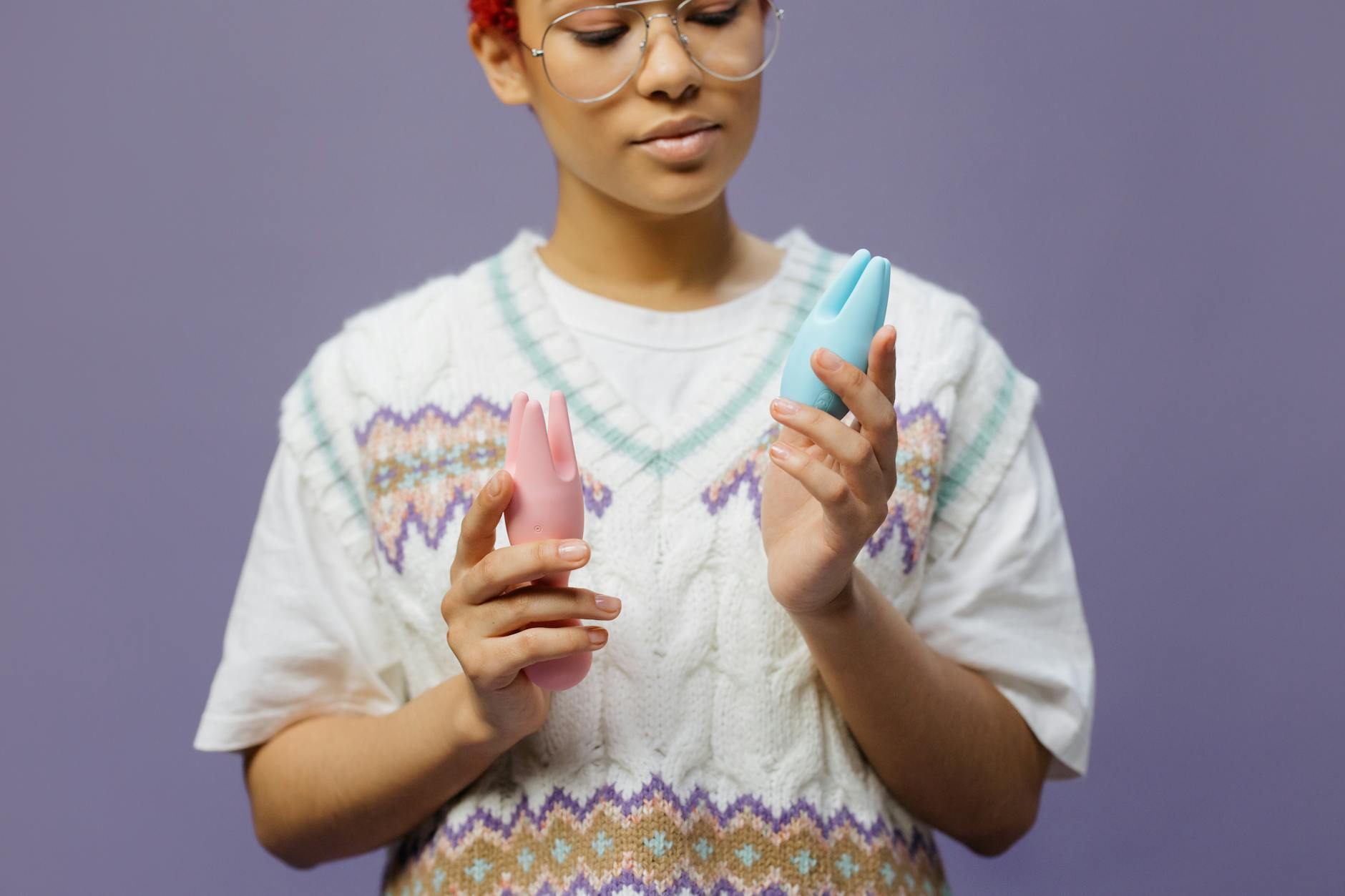
You're using a topical anesthetic because you need it. Vulvodynia, dermatitis, hemorrhoids, or post-procedure pain all deserve treatment. But then you notice: pleasure flatlines. The nerves that respond to touch are the same ones the numbing cream is supposed to block. Fair trade-off, except your brain didn't sign up to lose sensation.
The good news is that a lemon vibrator works on a different principle than fingers or standard vibrators do. It's not about direct friction or traditional vibration. That's why it often works when everything else stops working.
Topical anesthetics like lidocaine work by preventing nerve signals from traveling up the spinal cord. They don't discriminate between pain signals and pleasure signals. They just stop transmission. If you've applied the cream to your vulva within the last few hours, the nerves there are essentially on mute.
Standard vibrators rely on that neural feedback. They work because your nerve endings detect the vibration and send a chain of signals to your brain. Fingers work the same way. If the nerves are numbed, the signal never travels. So you feel the pressure but not the sensation. It's like touching someone through a thick winter coat.
This is why people on numbing medication often feel wildly frustrated. They're not broken. Their hardware is fine. The problem is that the numbing cream has temporarily disconnected the communication line between their body and their pleasure center.
A lemon vibrator uses air-pulse suction technology instead of vibration. Instead of transmitting stimulation through the tissue, it creates rhythmic pressure changes that engage a wider nerve network. The sensation operates at a different frequency and intensity than traditional vibration.
Here's the practical difference: a standard vibrator needs the surface nerves to be reactive. A lemon sucker engages deeper clitoral structures and works with pressure waves rather than direct mechanical stimulation. Even when surface sensation is muted, the clitoral bulbs and internal structures still respond to the suction pattern.
I've had clients describe it as "working around the numbness" rather than fighting through it. It's not a perfect workaround if the cream is fresh and heavily applied, but it's significantly more effective than traditional vibrators for this exact situation.
If you're using numbing cream for a medical condition, the timing of when you use it versus when you try to have pleasure is everything.
Most topical anesthetics peak in effectiveness at 15 to 30 minutes and start to wear off after two to four hours. If you're applying cream for pain management throughout the day, plan your pleasure time strategically. Late evening, after the medication has metabolized, is often better than mid-afternoon.
If you need the numbing cream for an ongoing condition and want to maintain pleasure, talk to your doctor about whether it's medically necessary to apply it right before or immediately after intimacy. Sometimes you can time doses to create a small window of reduced numbness without compromising pain relief.
For post-procedure healing, the window is harder to work with. But most providers will tell you when sensation is expected to return. That timeline matters because it tells you when a lemon vibrator is likely to feel effective again.
If you do want to try now, here's what actually works:
Wait at least three hours after applying the cream. The medication is still potent in the first couple hours. Waiting makes a material difference in whether you'll feel anything.
Start at the lowest intensity setting. On a lemon clitoral vibrator like the Lem, that means patterns 1 or 2. The suction at low intensity is gentler and sometimes more perceptible even when sensation is dampened.
Give yourself 15 to 20 minutes of warm-up. Arousal takes longer when numbing cream is in the picture. Your brain needs time to build desire even though your body isn't sending the usual signals. Mental engagement matters more than usual.
Use plenty of water-based lubricant. Numbing creams can dry out tissue. Extra lubrication helps the lemon sucker seal properly and ensures the pressure changes are transmitted effectively.
Try positioning where you have more control. If you're with a partner, sitting on top or using it yourself gives you the ability to adjust angle and pressure in real-time. That control helps compensate for reduced sensation.
Honestly? Some days you won't feel much at all. That's okay. The goal isn't to force an orgasm. It's to maintain a connection to pleasure while you're healing or managing a medical condition.
If the numbing cream is fresh and you're in acute pain, skip it. Your body is telling you something needs rest. Pushing for pleasure while in active pain isn't worth it, and your nervous system will thank you for listening.
If your dermatologist or gynecologist specifically told you to avoid sexual activity during treatment, follow that advice. They have a clinical reason. A lemon vibrator doesn't override medical guidance.
Some conditions like active vulvodynia flares require total rest. Others, like healing after a minor procedure, have a clear timeline. Know which situation you're in before you try.
If you're in a relationship, this is worth talking through. "I'm on numbing medication right now, so I might not feel much, but I'd like to try exploring what still works." That one sentence prevents your partner from feeling rejected or confused.
Some partners worry they're causing pain. Some worry they're not turning you on. Some just feel lost. Being explicit about the fact that numbness is temporary and specific to a medical situation helps everyone relax.
You might also frame it as collaborative problem-solving. "Let's figure out what still feels good" is different from "sorry, I can't right now." The first one keeps you connected. The second one creates distance.
When does numbing cream stop interfering? It depends on why you're using it.
For temporary post-procedure numbness (dental work, minor surgery, wound care), sensation usually returns within a few days to a few weeks. Your nerves will start firing again, and a lemon vibrator will feel dramatically different. More intense, more responsive, more pleasurable.
For chronic conditions like vulvodynia, the timeline is longer. If you're managing the condition with topical anesthetics, you're doing important pain management. The goal isn't to use numbing cream forever. It's to use it while you're healing, getting other treatment (physical therapy, hormonal support, nerve blocks), and building tolerance back up.
Some people find that as their underlying condition improves, they need the numbing cream less frequently. That's your sign that sensation is returning and pleasure is becoming more accessible again.
A lemon clitoral vibrator becomes more effective as sensation returns. So even if it feels like a workaround right now, you're not wasting time testing it. You're building back a relationship with your own pleasure in a realistic, non-pressured way.
Here's what nobody talks about: the psychological impact of lost sensation. You feel broken, even though you're not. You feel disconnected from your body, even though the mechanism is temporary. You worry that pleasure is gone for good, even though it isn't.
Using a lemon vibrator while you're medicated doesn't have to produce an orgasm to be valuable. It can be valuable just as a signal to yourself: "I'm still here. My body still matters. Pleasure is still part of my life, even while I'm managing something medical."
That's not spiritual woo. That's nervous system regulation. That's you refusing to let a temporary medical situation erase your sexuality from the equation. And that mental reset often makes a bigger difference in your eventual pleasure recovery than any physical technique.
When you're ready to explore again without the numbing cream, you're not starting from a place of shame or disconnection. You're reactivating something you kept alive, even during a difficult time.
Yes, but it's more effective if you wait a few hours after applying the cream. Fresh numbing medication will reduce sensation further, making even a lemon sucker harder to feel. After two to three hours, the cream is less potent and a lemon clitoral vibrator is more likely to produce noticeable sensation. Avoid applying new cream right before trying.
Probably not, but it will feel significantly better than a traditional vibrator would. That's because a lemon sucker uses pressure and suction rather than vibration alone. Even with numbing medication on board, many people report that the sensation is perceptible where it wouldn't be with standard vibrators. It's a workaround, not a perfect solution.
No, as long as you're using the numbing cream for a legitimate medical reason under doctor supervision. The main risk is that you won't feel pain if something is uncomfortable, so you need to check in with yourself mentally instead of relying on physical feedback. Use lower intensity settings and pay attention to any signs of irritation afterward.
Most topical anesthetics peak in 15 to 30 minutes and remain potent for two to four hours. Full sensation usually returns within four to six hours of application, though this varies by product. If you're using prescription-strength anesthetics, ask your provider for the specific timeline.
If the medication is for a sexual pain condition, yes. If it's for something unrelated (hemorrhoids, dermatitis, post-procedure healing), it's less critical, but your doctor might have timing recommendations that help. Be straightforward. They've heard this question before.
No. Topical anesthetics are temporary. Once you stop using them and your underlying condition heals, sensation returns completely. Your nerves aren't damaged. They're just temporarily blocked. Your capacity for pleasure is intact.