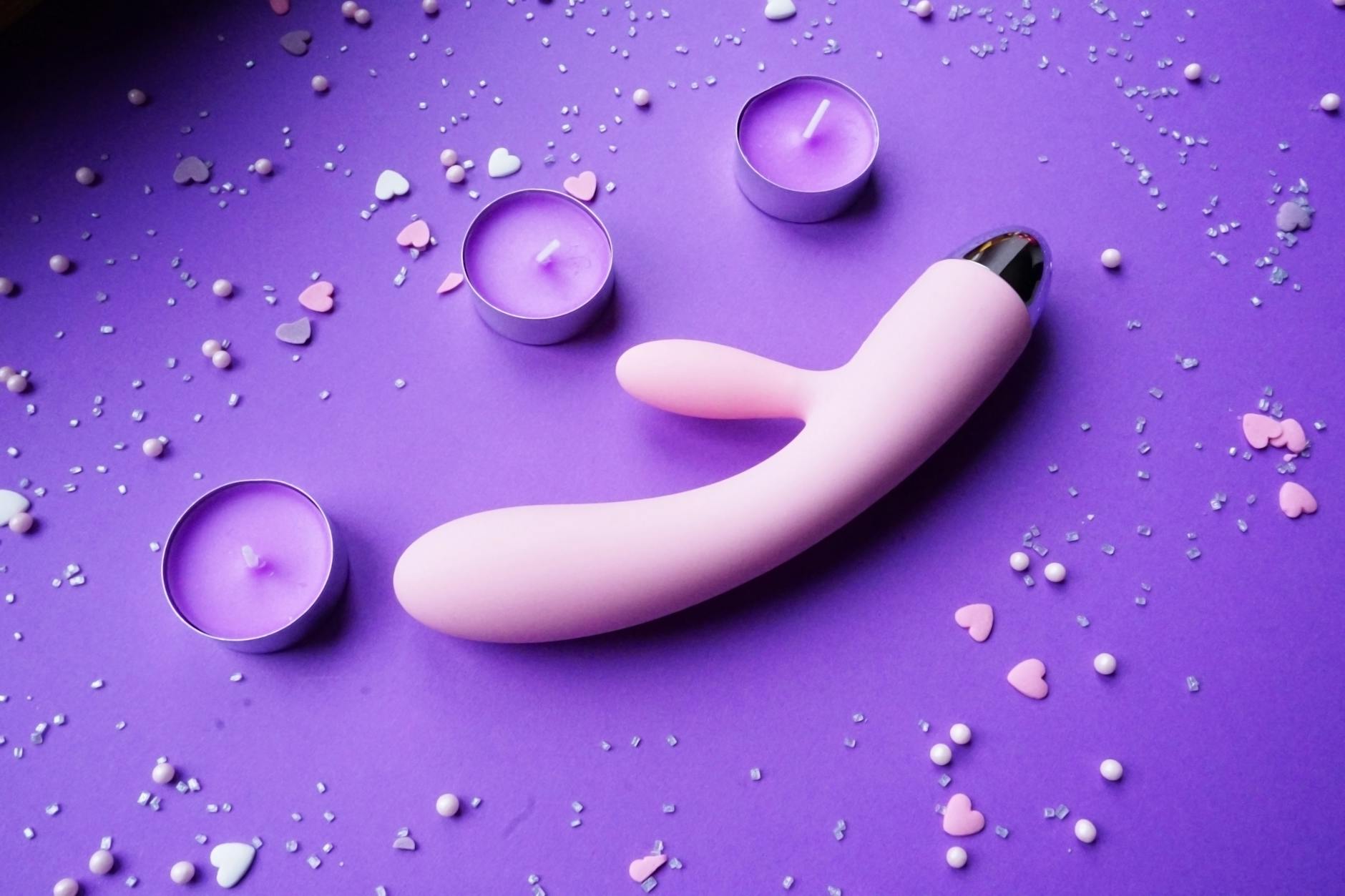
How to Use a Lemon Vibrator When Pleasure Feels Numb After Years of Stress
Chronic stress flattens desire and kills sensation. Here's the neuroscience of why, and exactly how a lemon clitoral vibrator helps you wake your body back up.
Let's be real: after years of chronic stress, pleasure stops feeling like pleasure. It feels like nothing. Your body doesn't respond the way it used to. Arousal takes forever. Orgasms feel distant or flat. You might touch yourself and feel almost nothing, like you're watching someone else's body from behind glass.
This isn't a personal failing. This is what stress does to your nervous system.
When your body lives in fight-or-flight mode for months or years, your brain literally deprioritizes pleasure pathways. Cortisol and adrenaline stay elevated. Your parasympathetic nervous system (the one that powers relaxation, digestion, and arousal) goes quiet. Blood flow redirects away from your extremities and genitals and toward your muscles and heart. Your touch receptors become less sensitive because your brain is too busy scanning for threats.
The result: numbness that feels permanent but isn't.
You can't think your way out of this. No amount of willpower or romantic mood lighting will force sensation back if your nervous system is still stuck in survival mode. What you need is a tool that helps your body remember what pleasure feels like.
A lemon clitoral vibrator does three things your stressed body desperately needs:
It bypasses the threshold. When sensation is flattened, gentle touch registers as nothing. Suction stimulation (the technology behind clitoral vibrators like the Lem) reaches deeper nerve pathways and creates intensity without pain. You actually feel something.
It gives your nervous system permission to rest. The act of touching yourself for pleasure signals safety to your brain. You're not running from a predator. You're not solving a work crisis. You're here, in your body, doing something that feels good. That signal matters.
It rebuilds the neural pathway. Pleasure is a learned sensation. After years of numbness, your brain and body need practice remembering what arousal is. Regular use rewires those dormant pathways.
Here's the uncomfortable truth: when you're numb, the first time using any vibrator might still feel like not much. That's okay. You're not broken. You're just starting the process.
Three rules for beginning:
Start low, stay there longer than you think. Don't jump to high intensity hoping to feel something. Begin on pattern 1 or 2 on your lemon vibrator and spend at least 10 to 15 minutes there. Your nervous system needs time to recognize what's happening.
Expect nothing. That's your advantage. Remove the pressure to orgasm or feel amazing. You're not here to perform or achieve. You're here to notice. Can you feel warmth? Texture? Any shift in sensation at all? That's progress.
Breathe into it. This is where the nervous system piece becomes essential. Slow, deep breathing tells your body that this space is safe. Breathe in for 4 counts, hold for 2, exhale for 4. Your parasympathetic nervous system responds to this rhythm like a light switch.
If you were numb because of medication or hormonal changes, your body might respond quickly to stimulation as intensity increases. But stress-related numbness often comes with anxiety or dissociation, where even when sensation starts returning, your mind is still somewhere else.
This is why the lemon vibrator specifically helps. The suction technology creates a distinct, unmistakable sensation that's harder to ignore than a simple vibration. It's like your body can't zone out as easily. The novelty of the sensation keeps your attention anchored in your body rather than letting your mind drift.
That anchoring is therapeutic, not just pleasurable.
You're not trying to go from zero to orgasm in one session. Think in weeks, not days.
Week one: get familiar with the device on low settings. No agenda beyond noticing what you feel. If you orgasm, great. If you don't, still great. You're learning your baseline.
Week two to three: start experimenting with patterns if your lemon vibrator has them. Notice which feels different. Notice which makes you want to keep going versus which feels like static. Your body is remembering how to discriminate between sensations.
Week four and beyond: gradually increase intensity as sensation returns. Many people find that by week four or five, arousal is building faster. Orgasms feel more possible. The glass wall between you and your body starts to crack.
During this time, your nervous system is also healing. You're practicing a new habit: doing something for pleasure, not productivity. Your brain is learning that that's allowed.
The vibrator is a tool, but context is the container it lives in. If you're using a lemon clitoral vibrator while doom-scrolling through work emails or while your nervous system is still flooded with cortisol from earlier in the day, the tool does less work.
Simple context shifts that help:
Use your vibrator during a time when your nervous system is already slightly calmer. Early morning (before email), or evening after a walk, or on a weekend. Not right after a stressful meeting.
Turn off your phone. Set a boundary. You need 15 to 20 minutes where you're not reachable.
If your mind keeps pulling away to your to-do list, that's not a personal failing. Your nervous system is still catching up. Gently redirect your attention back to sensation, back to your breath. This is practice.
If you have one, your partner doesn't need to be part of this process at first. In fact, the pressure of "performing" pleasure for someone else often delays the healing. Many people find that rediscovering solo sensation first is actually the key to bringing pleasure back into partnered sex.
Once sensation is returning and you're feeling more anchored in your body, you might want to talk about what's shifted. Not a heavy conversation. Just honest: "I've been working on rebuilding some things that stress took away. I'm starting to feel more present." That's enough.
If your partner is also stressed or numb, they might benefit from the same process. Stress-related numbness in partnerships is often mutual. Sometimes both people are just waiting for the other one to feel better first.
Realistic timeline: 4 to 8 weeks to notice meaningful changes in sensation and arousal. For some people it's faster. For others, especially if the stress was really severe or long-lasting, it might take 12 weeks.
The key is consistency, not intensity. Using your lemon vibrator twice a week is more effective than a three-hour marathon session once a month. You're building a new habit, rewiring a neural pathway. That requires repetition over time.
Also, healing isn't linear. You might have a week where sensation feels robust and you're orgasming easily, then the next week stress spikes again and you're back to numbness. That's normal. Your nervous system is learning. Keep going.
Using a lemon clitoral vibrator is part of getting your body back online, but it's not the whole picture. Sleep, movement, time off email, friendships, maybe therapy if the stress was significant. All of that matters. The vibrator is a tool that makes the rewiring possible, but the context you create is what makes it stick.
One more thing: numbness after stress doesn't mean your capacity for pleasure is gone. It means it's dormant. Your body remembers. Your nervous system can heal. And sometimes the pleasure that comes back after you've lost it feels even richer than before, because you know what it costs to lose it.
Most people notice incremental improvements within 2 to 3 weeks of consistent use (2 to 3 times per week). Meaningful sensation usually returns within 4 to 8 weeks. However, if stress was severe or long-lasting, complete sensitivity restoration can take 12 weeks or more. Consistency matters far more than intensity. Using a lemon clitoral vibrator twice weekly is more effective than sporadic longer sessions.
It's real, not in your head. Chronic stress alters your nervous system physiology. High cortisol reduces blood flow to your genitals, suppresses dopamine and oxytocin (pleasure and bonding chemicals), and diverts your brain's attention away from sensation pathways. Your body is literally deprioritizing pleasure to handle perceived threats. This is reversible, but it requires both a tool (like a lemon sucker vibrator) and a nervous system that feels safe enough to respond.
Yes, especially if numbness is also affecting other areas (hands, feet, or generalized dissociation) or if it persists beyond 8 to 12 weeks of consistent self-work. A therapist trained in trauma or nervous system work (somatic therapists, EMDR specialists) can accelerate healing. Your doctor can also rule out other causes like diabetes or thyroid issues that can mimic stress-related numbness.
Lemon clitoral vibrators use suction technology, which creates stronger, more distinctive sensation than standard vibration alone. That makes them particularly useful when sensation is flattened because the stimulation is harder to ignore or dissociate from. That said, the best vibrator is the one you'll actually use consistently. If you prefer a different style, consistency beats perfection.
Generally yes, but check with your prescriber. Some antidepressants and anti-anxiety medications reduce sensation or delay orgasm. If that's your situation, you might benefit from adjusting lemon vibrator intensity for sensitive tissues or exploring different patterns. Some people also find that pairing vibrator use with a therapist who specializes in medication-related sexual side effects helps them navigate this more effectively.
First, make sure you're being consistent (2 to 3 times per week minimum) and using low intensity long enough for your nervous system to register sensation (10 to 15 minutes). If you are and nothing is shifting, stress might be more active than you realize. Consider whether something shifted in your life that's keeping cortisol high. You might also benefit from working with a therapist alongside your lemon vibrator practice, or trying exploring pleasure after stress through partnered reconnection to add another dimension to your healing.
Years of stress flatten pleasure. That's not permanent. Your body remembers how to feel, and a lemon clitoral vibrator is a tool that helps it remember faster. The trick is consistency, low expectations at first, and giving your nervous system permission to rest. Sensation comes back. It just needs time and the right conditions.
If you're ready to start this journey, reach out. We're here to help you figure out what works for your body and your timeline.