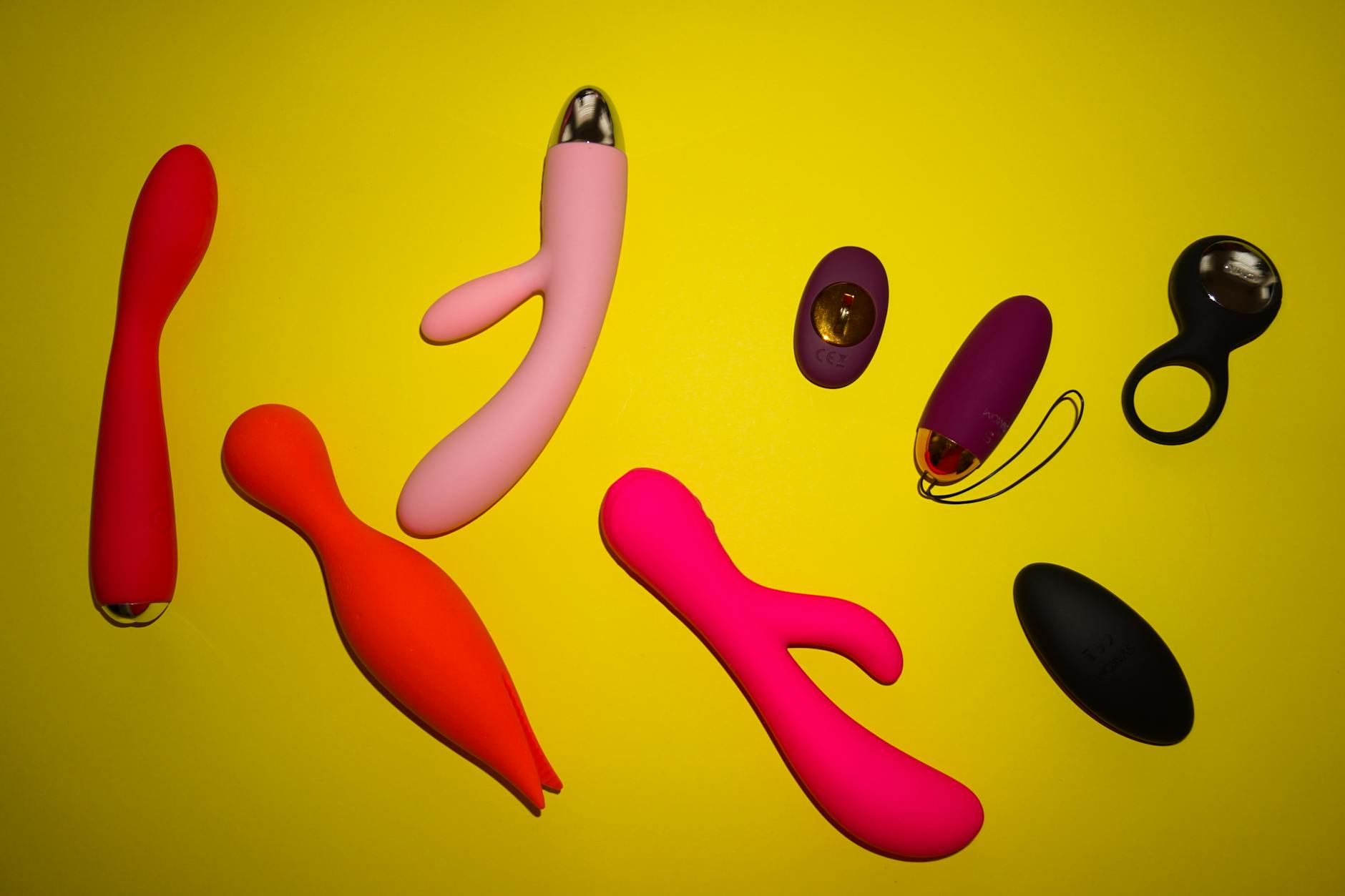
Let's be real. If you're reading this, pleasure probably hasn't been on your radar for a while. Maybe it's been five years. Maybe ten. Maybe so long you've stopped counting. The reasons don't matter as much as the fact that you're here now, considering waking that part of yourself back up.
That takes courage. And it deserves a clear roadmap.
Using a lemon clitoral vibrator when you're starting from a long pause is different than using one when you're already in the game. Your nervous system needs time to remember what sensation even feels like. Your mind needs permission to stop feeling guilty about prioritizing yourself. Your body might not respond the way it used to, and that's completely normal. Here's how to navigate all three.
If you've been absent from pleasure for years, your clitoral tissue has probably changed. Sensation dulls when stimulation stops. Lubrication patterns shift. The ability to build arousal gradually becomes harder because your body has stopped practicing it.
A lemon vibrator works for this because it doesn't demand anything from you. Unlike penetrative sex or manual stimulation, a lemon clitoral vibrator creates consistent, predictable sensation. You're not waiting for your body to respond the right way. The vibrator is doing the work. Your job is just to notice what you feel.
The suction-based design matters here, too. Most vibrators create friction. A lemon vibrator creates a gentle pulse that works through the tissue without requiring intense direct pressure. When you've been dormant for years, gentle is not a consolation prize. It's the entry point.
Your first session back won't be a big sensual moment. It might not even feel like much of anything. That's the point. You're not chasing an orgasm. You're not trying to feel like you used to. You're rebuilding a connection between your nervous system and pleasure, and that starts with baseline awareness, not intensity.
Here's what I recommend: Set aside 30 minutes. Not in bed. Somewhere comfortable where you can be alone without wondering if someone will walk in. Wear clothes you can easily adjust. Have water nearby. That's it.
Start with your lemon vibrator on the lowest setting. The Lem has five patterns. Begin on pattern one. If even that feels like nothing, that's not failure. That's information. Your body is telling you it needs more time to wake up, and you're listening. Spend 10-15 minutes at that level, not to orgasm, but to let your nervous system remember what vibration feels like.
If you feel something. A tingle. A mild pulse. A thought that registers as "huh, that's something." Stop there. That's a win. Your body moved toward sensation instead of away from it. Tomorrow is another day.
If you've been dormant for years, there's usually a reason. Maybe your relationship shifted. Maybe you have kids and you lost yourself in logistics. Maybe grief or health issues made pleasure feel impossible. Maybe you felt guilty for wanting something just for you. Maybe you convinced yourself you were fine without it.
Your body knows the difference between the story you told yourself and the truth. And it won't wake up until you've mentally released the guilt.
Before you use your lemon vibrator, sit with this: You deserve pleasure. Not someday. Not when everything else is handled. Now. Your desire doesn't have to earn its place in your life. It doesn't have to serve anyone else. It exists for you, and that's enough.
This isn't fluffy thinking. This is the foundation. If you're using your vibrator while part of your brain is whispering "I shouldn't," your nervous system will stay half-asleep no matter what tool you use.
Reawakening after years isn't a three-session project. Expect four to eight weeks before pleasure starts feeling genuinely familiar again. Some weeks you'll use your lemon vibrator three times. Some weeks once. Some weeks not at all. That's not a failure. That's your body setting its own pace.
Week one and two: Lowest settings, shortest sessions, no pressure to feel anything specific. Just familiarization. Your nervous system is learning to trust that pleasure isn't dangerous.
Week three and four: If you felt something in the first two weeks, you can experiment with patterns two and three. Still low intensity. Still no goal. The goal is novelty. Teaching your body that different sensations exist.
Week five onward: If you're feeling consistent sensation, you can increase time and experiment with positioning. Some people find that sitting with legs extended works better than lying down. Some need to angle their pelvis differently. Your body will tell you.
Don't rush to orgasm. Orgasm is the last thing you're rebuilding, not the first. If it happens naturally around week six or seven, great. If it takes months, also great. Your job is presence, not performance.
You might be considering using a lemon clitoral vibrator solo while in a relationship. That's completely legitimate. This is your body. Your pleasure. Your timeline. You don't owe anyone advance notice about reconnecting with yourself.
That said, the longer you rebuild in secret, the more complicated integration gets later. Not because there's anything wrong with solo pleasure, but because your partner might feel blindsided when pleasure suddenly becomes a thing again. How to use a lemon vibrator with a sensitive partner about pleasure tools can help you think through timing.
For now: Focus on you. Rebuild in private. When you're ready to share, you'll know.
After six to eight weeks of consistent use, your nervous system usually starts firing again. Sensation returns faster. Arousal builds quicker. Orgasms become more possible, even if they're not consistent yet.
This is when things get interesting, because now your body has remembered what pleasure feels like. And that often triggers emotions. Relief. Grief for the years you lost. Sometimes anger that you waited so long. Sometimes confusion because your desire has shifted or changed shape.
All of that is normal. Your body isn't just waking up physically. Emotionally, you're reintroducing yourself to a part of your life you'd essentially retired from. That's big. Give yourself grace with that.
If you've been consistent and patient and sensation truly isn't coming back, something else might be happening. Low desire after years of absence sometimes has roots in depression, hormonal changes, relationship stress, or past trauma. A lemon vibrator can't fix those things. But a therapist or doctor can help you figure out what's underneath.
That's not a reason to stop trying. It's a reason to add support. When anxiety makes arousal difficult covers this in more detail, but the short version is: Physical tools work best alongside professional help when there's deeper stuff in the way.
Using a lemon vibrator when you're starting from years of dormancy isn't about achieving a specific sensation or orgasm. It's about reclaiming your body as a source of pleasure, not just function. It's about saying to yourself: I matter. My desire matters. I'm worth the time and patience this takes.
That's what makes the difference. Not the vibrator itself. Your decision to show up for yourself, consistently, without judgment.
Most people notice baseline sensation returning within four to six weeks of consistent use. That doesn't mean orgasms. That means simple awareness that vibration creates feeling. Full restoration of arousal, desire, and consistent orgasm can take three to six months. Everyone's timeline is different. Patience matters more than speed.
Yes, absolutely. If anything, a lemon clitoral vibrator is gentler for long-term dormancy than other tools because it doesn't require your body to respond in specific ways. Start on the lowest setting and let your nervous system adjust. There's no rush.
That depends on your relationship and your comfort level. Some people prefer rebuilding solo first, then introducing a partner later. Others want transparency from the start. Neither is wrong. Think about what feels safe to you, and move at that pace.
Turn it off and try again next week. Some bodies need weeks just to be touched at all before vibration makes sense. You can also try very gentle manual touch first, then introduce the vibrator once your nervous system has warmed up. There's no such thing as too slow.
Listen to your body first. If there's pain, a lemon vibrator probably isn't the right tool yet. See a doctor or pelvic floor specialist to rule out physical issues. If it's just sensitivity or numbness, a lemon vibrator can actually help retrain sensation. Start very gently and stop if anything hurts.
You're using it correctly if you're comfortable, alone, and not pressuring yourself to feel anything specific. That's it. There's no wrong way to explore your own body. The tool is just an aid. Your attention and patience are what matter.
If you're ready to start, pick a time this week when you have 30 uninterrupted minutes. One session. That's all. Notice what happens. Notice what you feel. Notice what you don't feel. All of it is data. Your body is speaking. Your job is listening.
If you want to talk through your specific situation, or you're wondering whether a lemon vibrator is right for you right now, reach out. I'm here to help.