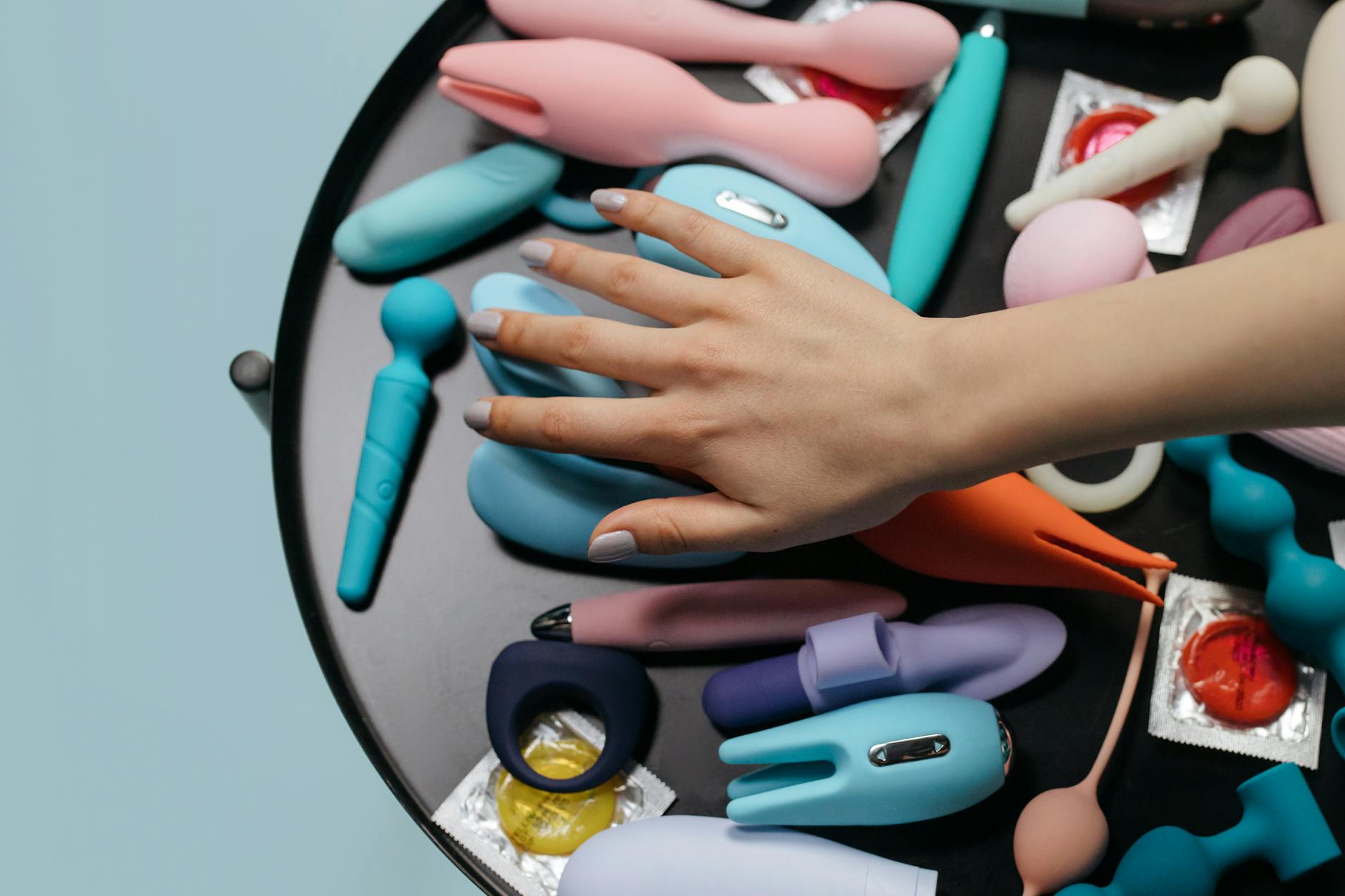
How to Use a Lemon Vibrator When Transitioning Into a New Relationship
Moving in together, committing, or deepening your bond reshapes everything about pleasure. Here's what changes, what stays the same, and how lemon vibrators fit into this new chapter.
Your partner moves in. Or you say yes to forever. Or you decide to stop seeing other people and build something real. And suddenly, the pleasure rhythm you've had solo, or with casual partners, doesn't quite work anymore. That's not a failure. It's a transition. And like most transitions in relationships, it needs attention.
Here's what actually shifts when a relationship deepens. Time together increases, which sounds good until you realize you've gone from having space to not having any. Vulnerability deepens, which means shame surfaces faster. Expectations change. What felt playful in month three can feel loaded in month twelve. And the device you've been using solo, the one that got you there reliably every time? Sometimes it needs recalibration for shared space and shared bodies.
Let me be direct. When you're solo, a lemon vibrator is a tool. Straightforward, efficient, yours alone. In a relationship, especially one that's moving toward real commitment, it becomes something more complicated. It's a conversation. It's proof you have needs. It's evidence that pleasure isn't something that just happens when your partner is present. For some couples, that's liberating. For others, it's genuinely threatening.
Here's the thing about lemon clitoral vibrators though. The design and function work in ways that feel less "solo" and more "partnered" than some other devices. A lemon sucker uses air-pulse technology that's subtle enough to use during partnered sex, visible enough that it's not hidden, intimate enough that it doesn't feel like you're retreating into your own world. It's a third presence, not a replacement.
Many of my clients find that when they transition from dating to commitment, the vibrator that worked perfectly alone starts to feel isolating. The Lem, by contrast, bridges that gap. You can use it solo, yes. But you can also use it with a partner in the room, in bed with them, or even integrated into partnered sex in ways that feel collaborative rather than separate.
When relationships deepen, two things happen in the pleasure department. First, there's relief. You don't have to perform as much. You can be messier, slower, take longer to warm up. Second, there's pressure. Because now your pleasure is connected to theirs. If you don't come, they might feel like they failed. If you come too quickly, they might feel rushed. The device that was just yours becomes a thing you both think about.
I work with couples regularly who hit this exact wall around month eight or nine. The early relationship glow fades. Sex becomes routine or, more often, disappears because neither person wants to deal with the emotional complexity. Using a lemon vibrator when you've moved in together or committed requires a conversation first. Not a big speech. Just real words about what it means to you.
Try this: "I want to keep using my vibrator because it's part of how I know my own pleasure. That hasn't changed with you being here. What I want to figure out is how we do this together." That's honest. That invites collaboration instead of defensiveness.
There are three main ways this goes. Solo with more freedom. During foreplay as a tool for arousal. Or integrated into partnered sex itself.
If you're using your lemon vibrator solo but now you live together or your partner is around, the key is removing the secrecy. Secrecy is what makes it weird. If your partner understands you're taking twenty minutes to use your device, just like they might take twenty minutes to shower or read, it stays normal. When you hide it, it becomes loaded.
During foreplay, a lemon sucker works beautifully because it doesn't require your partner to do anything. They can touch you elsewhere while you use it. They can watch. They can leave you alone for a few minutes. The pressure is off them to manually bring you to arousal, and you're not waiting for them to figure out what you need.
Integrated into sex is trickier emotionally, but operationally it's simple. Some people use a lemon vibrator during penetrative sex. Some use it before. Some use it while their partner uses a different toy. The logistics aren't the hard part. The hard part is saying, "I want to come while we're together, and this is how that happens." That requires them to hear it as a request, not a criticism.
Don't ask permission. That frames it like something you're unsure about. Don't apologize. That frames it like something wrong. Instead, normalize it the way you'd normalize anything else in your body.
"I'm going to use my lemon vibrator tonight" works. "I'd like to come before we have sex, and I'm fastest with my device" works. "I use this alone sometimes and I'd like to try it with you here" works. All of those are statements of preference, not requests for approval.
If your partner responds with insecurity, that's useful information. "Does that mean you don't like my touch?" or "Am I not enough?" tells you they have some work to do around pleasure and partnership. You can help them with that. But you can't fix it by stopping using your vibrator. That just creates resentment.
For partners reading this. When someone you love says they want to use a lemon vibrator with you present or during sex, the healthy response is curiosity, not defensiveness. Ask what you can do. Ask how you can help. Watch. Use it on them. Make it collaborative. The alternative is driving the conversation underground, and then you're back to secrecy and shame.
One shift I see consistently when relationships deepen is that orgasm becomes fraught. When you're solo, you come or you don't. When you're partnered, there's suddenly context. Did they come first? Should I wait? If I take longer than them, are they bored? Will they resent me? These are normal questions. And they're ones a lemon vibrator can actually help with.
If you're consistently the one taking longer to orgasm, using your device during partnered sex means you're not asking them to keep going when they're ready to stop. It means you can reach climax on your own timeline while they stay present. That's collaborative, not selfish. If you tend to come quickly and feel embarrassed, a lemon vibrator slows things down because you're building arousal through a different kind of stimulation. It buys you time.
The key is setting expectations before you're in bed. "I might want to use this. I might not. It depends on how I'm feeling." That keeps it flexible and takes the pressure off both of you to perform.
Sometimes a partner will resist, and it's worth understanding why before you just push through. Resistance can come from insecurity ("Am I not enough?"), conditioning ("Real couples don't need devices"), or shame ("I feel weird about this"). Those are three different problems with three different solutions.
Insecurity needs reassurance and probably a therapist. You can't fix that alone. Conditioning needs education. Share an article. Show them data. Make it normal. Shame needs openness. If they grew up believing pleasure is dirty, using a lemon vibrator in front of them is genuinely threatening to their whole nervous system. Patience helps more than pressure.
But here's where I need to be clear. If your partner forbids you from using a vibrator, refuses to discuss it, or makes you feel ashamed of your body's needs, that's a red flag. Good partners might be initially uncomfortable. They work through it. They don't punish you for having a sexuality.
When you introduce a lemon vibrator into a deepening relationship, you're actually having a conversation about autonomy, pleasure, vulnerability, and partnership all at once. You're saying, "My body is mine. My pleasure matters. I trust you enough to let you see that." That's huge.
Many couples find that working through this one thing opens up conversations about everything. What else have you been hiding? What else do you actually want? How can we both feel safe asking for things? A lemon clitoral vibrator becomes the doorway to deeper intimacy because using it requires removing shame.
If you're struggling with this transition, it might help to work with a therapist or couples counselor. But honestly, sometimes it just takes one person saying, "I want us to figure this out together," and the other person realizing that's actually possible.
Not necessarily before, but definitely early in the living-together phase. You can bring it up casually. "I use a device for solo pleasure, just wanted you to know" is enough. It removes the shock of finding it later and frames it as normal.
That's about their insecurity, not your vibrator. You can reassure them ("I use this solo, it's different than when we're together"), but the bigger conversation is about them understanding that pleasure has many components. Using a device isn't a referendum on your partner. It's a tool for your own body.
Yes, and it often feels less weird than you think. The vibrator is external, so you're not replacing penetration. Many couples find it enhances the experience because everyone's more likely to orgasm. Start with conversation before you start with action.
Good news. Transitioning into commitment is actually a perfect time to explore. You have someone who cares about your pleasure. Talk about it. Try it solo first if that feels safer. Then decide if you want to invite them into that experience.
Your comfort matters more than anything. Start with low settings. Let them know what feels good. You can always adjust. The fact that they want to explore your pleasure is a good sign. Trust takes time.
A lemon clitoral vibrator works well in partnerships because it's external, visible, and doesn't require your partner to do anything you can't direct. If you want something that bridges solo and partnered pleasure, it's a solid choice. Start with conversation, then decide.
Transitioning into commitment means renegotiating everything, including pleasure. A lemon vibrator isn't a threat to that transition. It's actually a tool for making it work better. You get to know your own body. Your partner gets to see you as a complete sexual being. And you both get to come. That's the goal.