One of you wants sex three times a week. The other wants it once a month. Or one wants it never, and the other is quietly resenting them for it. This is one of the most common relationship tensions I see in my practice, and it gets worse the longer you ignore it because both partners start keeping score.
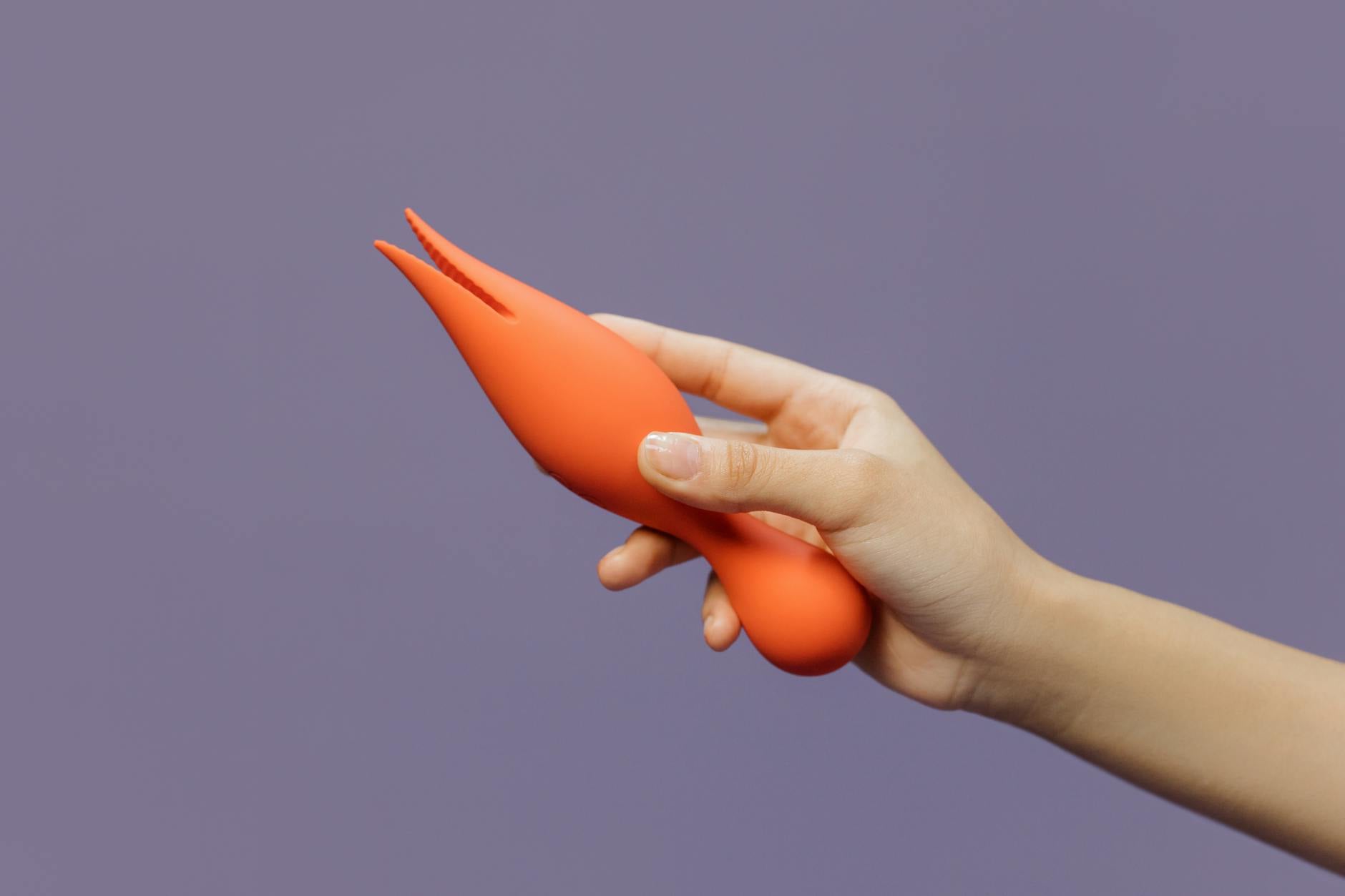
The person with lower desire feels pressured and guilty. The person with higher desire feels rejected and undesirable. Neither of you is wrong. Your bodies and brains have genuinely different needs. But instead of fixing the actual problem, most couples do one of two things: they either stop having sex entirely, or they have it in a way that leaves at least one of you feeling empty. A lemon clitoral vibrator, used the right way with your partner, can change that equation.
Desire doesn't live in a vacuum. It gets shaped by stress, hormones, how emotionally safe you feel, whether you're touched out from kid-wrangling, medication side effects, relationship friction, and a hundred other invisible variables. Sometimes the desire gap is real biology. Sometimes it's actually a communication gap or a safety gap wearing a libido disguise.
Here's what I know after 25 years of working with couples. The partner with lower desire usually isn't broken. They often just need a different kind of pathway back to wanting sex. And the partner with higher desire usually isn't selfish. They just need their need for connection validated and met, even if the form it takes changes.
A lemon vibrator, specifically, creates a middle ground that neither partner had access to before.
Don't buy the vibrator and surprise them with it. That never works and usually backfires. Instead, have a conversation that sounds like this.
"I've been thinking about the sex thing. I know we want different frequencies, and I don't want to ignore that or let it turn into resentment. I found something I want to explore with you, not instead of our sex life, but as part of it. Can we talk about it?"
Then listen. Really listen. The person with lower desire often has information you need: maybe sex has started to feel obligatory. Maybe there's a touch preference you're missing. Maybe they want more foreplay or a different time of day or to feel less like they're performing. None of that information emerges if you're already defensive or in your head about rejection.
For the partner with higher desire, this is the moment to say what you actually need. Don't soften it. "I feel disconnected when we're not intimate" is honest. "I'm fine with whatever" is a lie that will bite you both later.
Most lemon clitoral vibrators use suction and pulse technology, not straight vibration. This matters because it reduces performance anxiety for both of you. The sensation is also different enough from partnered sex that it doesn't feel like a substitute that's inferior. It's its own thing.
For the partner with lower desire, a lemon vibrator can reframe intimacy as exploration instead of obligation. You're not building toward partnered sex. You're just enjoying sensation together, no finish line required. That permission alone often softens someone's nervous system enough that desire starts to show up naturally.
For the partner with higher desire, having a lemon vibrator in the room means you get physical connection and presence even on nights when full penetrative sex isn't on the menu. You get to touch and be touched. You get to see your partner's pleasure. That's not a consolation prize. That's real intimacy.
1. External play, no pressure to move to sex. One partner uses a lemon vibrator on the other, no timeline, no expectation. You could spend 5 minutes. You could spend 30. You could come. You could not. There's no scoreboard. This is the entry point I recommend for couples with the biggest desire gaps because it removes the goal of intercourse entirely.
2. Foreplay that both partners enjoy equally. If your partner usually finds foreplay tedious or a means to an end, introducing a lemon clitoral vibrator can make that part feel active and pleasurable for everyone. The partner using it gets to explore. The partner receiving it gets sustained, focused attention. Neither of you is just waiting for the "real" sex to start.
3. Partnered touch with the vibrator. You're inside them, or beside them, or holding them. They're using the lemon vibrator on themselves. You're creating the rhythm together, watching each other, building the sensation as a unit. This one requires less pressure because the person with the device has control of their own stimulation. That control often makes the difference for people with lower desire.
Start small. Don't schedule a whole evening. Try it for 15 minutes on a Saturday morning when you're both rested and no one's in their head about work.
Use water-based lubricant. A lemon vibrator works great with it, and it makes the experience feel less clinical. It's an extra touch of care.
Keep talking. Not dirty talk necessarily, unless that's your thing. Just "Does this feel good?" or "Do you want more pressure?" or "I love watching you like this." The person with lower desire especially needs to know they're not being watched and judged. They're being appreciated.
Don't jump straight to the highest intensity. Start at pattern 1 or 2. You can always turn it up. You can't un-overwhelm someone who got blasted on level 5 right out of the gate.
Listen. Sometimes a lemon clitoral vibrator isn't the bridge. Sometimes the person with lower desire actually has a deeper friction in the relationship that needs addressing first. If introducing a vibrator feels like pressure or a workaround instead of an invitation, that's information. The problem isn't the vibrator. The problem is that trust or safety is broken somewhere else.
That's when couples therapy actually works. Not to fix one person's libido, but to figure out what's underneath it. Sometimes the answer is "we move at your pace." Sometimes it's "we explore non-traditional ways of connecting." Sometimes it's "our desire needs are incompatible and we need to have a hard conversation about that."
But most of the time, when both people feel genuinely heard instead of pressured, and when you have tools like a lemon vibrator that reframe intimacy as exploration instead of performance, the gap gets smaller.
They're not about how much you love each other. They're about how safe, seen, and understood you feel. When you use a lemon vibrator together, you're not just introducing a toy. You're creating a container where pleasure matters. Where curiosity is okay. Where your body gets to be good at what it does without judgment.
The couples I work with who navigate desire gaps successfully aren't the ones with matched libidos. They're the ones who stopped making frequency the scoreboard and started asking "How do we both get to feel good?" The answer might include a lemon clitoral vibrator. It might include therapy. It might include learning that quickies on Tuesday work better than marathon sessions on Saturday.
But it always starts with the conversation. Not the vibrator. The conversation.
Only if you frame it that way. If you introduce a lemon vibrator as "this will replace partnered sex," yes, they'll feel bad. If you introduce it as "I want to explore this with you, together," it's an invitation, not a threat. The couples who succeed with toys are the ones who talk about the why first. Most partners actually feel more connected, not less, when they're using something together that creates pleasure for both of them.
That's fine. You're getting information. Don't push. But ask why. Sometimes the answer is "this specific toy doesn't work for my body," in which case you might try a different design like a lemon sucker or air-pulse toy. Sometimes the answer is "I need more time," which means you wait and try again in three months. Sometimes the answer is "I'm not comfortable with toys," which means you honor that boundary and find different ways to bridge your desire gap. None of those answers mean you've failed.
Yes, often. Because it removes the pressure and the goal. You're not trying to have sex. You're just exploring sensation together. That low-stakes approach is what unlocks desire in people who've been shut down by pressure. And for the partner with higher desire, it means you get physical intimacy and connection even when full intercourse isn't happening. Over time, that often leads to more sex naturally because the pressure valve gets released.
It can help with sensation and responsiveness, yes. A lemon clitoral vibrator might make orgasm easier or more intense, which can be encouraging. But if the underlying issue is medication side effects, that's also a conversation to have with their doctor. Sometimes switching meds or adjusting timing helps. Sometimes you find workarounds with toys. Usually it's both.
That's a different conversation, but similar principles apply. You need to understand what your partner actually needs from the kink play. Is it power exchange? Sensation? Vulnerability? A lemon vibrator might be part of the answer, but it's not the whole answer. You might need a conversation with a sex therapist or a kink-aware therapist to navigate conflicting interests safely and consensually.
If both of you want to solve it, it's fixable. That's the real question. Not whether your libidos match. Whether you both care enough to try. Some couples find their way to real alignment. Some find a comfortable compromise. Some realize they need to break up. But none of that gets decided in a defensive conversation or a dead bedroom. It gets decided when both people feel safe enough to be honest about what they need.
A lemon vibrator isn't a magic fix for desire gaps. But it is a tool that can create the conditions where both partners feel less pressure, more pleasure, and more connected. And those conditions are often exactly what's needed for the real conversation to happen. The one where you figure out not just how often you want sex, but what sex means to both of you and how you build intimacy that actually works for your relationship.
If you're navigating a desire gap with your partner, start with that conversation. A lemon clitoral vibrator might be part of the answer. But the conversation is always first.