Five years. Seven years. Sometimes a decade. You and your partner have built a whole life together, but physical intimacy stopped somewhere along the way. Kids, work stress, health issues, grief, or just the slow fade that happens when nobody names it out loud. Now you're wondering if you can even go back.
You can. And it's often easier than you think because you're not actually starting from zero. You're starting from a foundation of actual love, and that changes everything.
Most couples who haven't had sex in years don't get there because they fell out of love. They get there because one of three things happened: life got overwhelming, someone felt rejected or disconnected, or both partners were waiting for the other person to fix it.
The longer the pause lasts, the more it calcifies. Sex becomes a "thing we don't do," and restarting it feels less like reconnection and more like trying to resurrect the dead. Your nervous system gets comfortable with that distance. Your body forgets how to respond. Your mind spins up worst-case scenarios.
Here's what I tell couples in this situation: you're not actually broken. You're both just afraid, and that fear is completely valid.
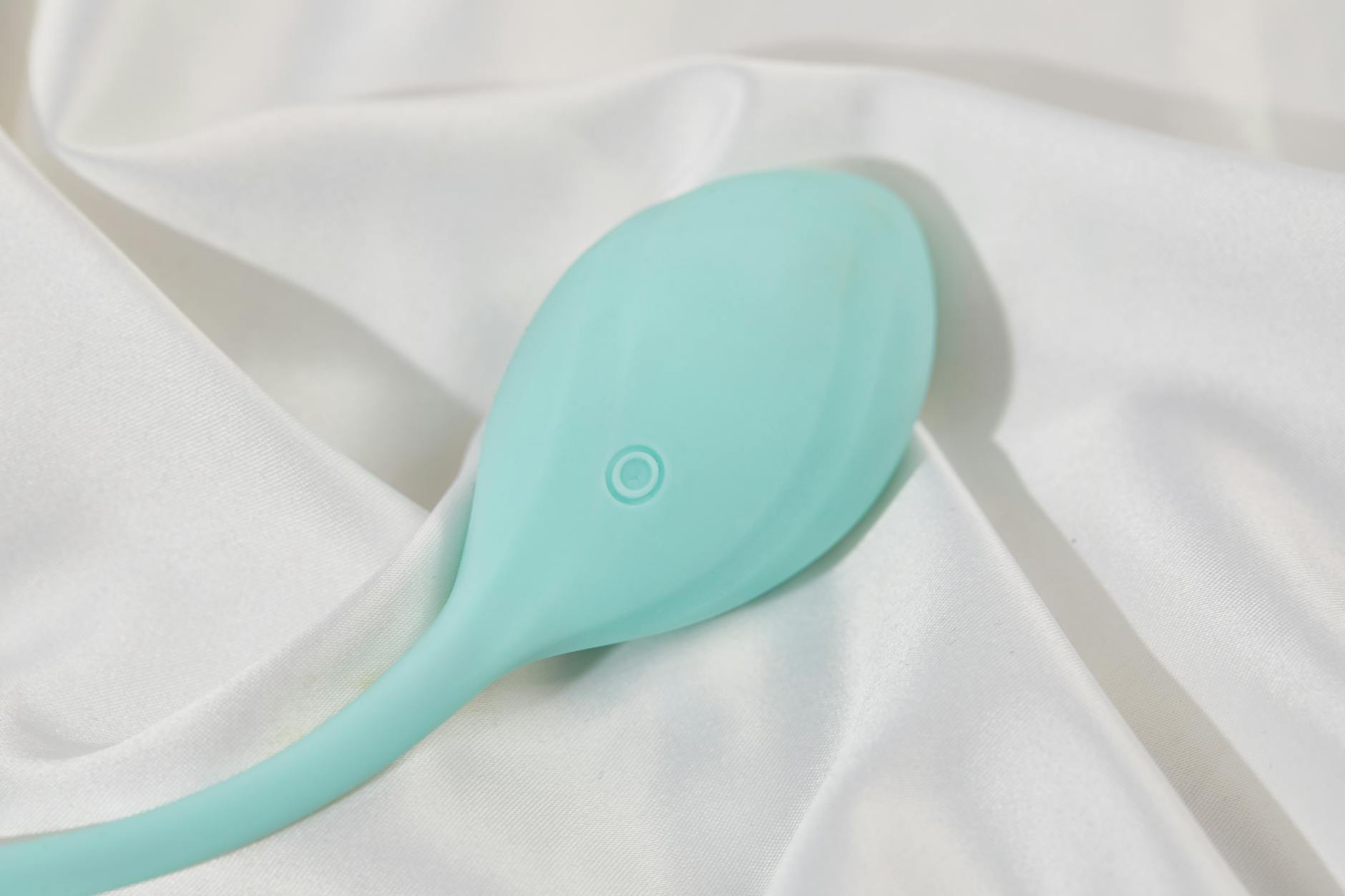
This is where a lemon clitoral vibrator changes the conversation. Not because it's magic, but because it removes three barriers at once.
First barrier: performance anxiety. When you restart sex after years away, there's enormous pressure on the person with a vulva to "perform" responsiveness. Your body might not cooperate on command. A lemon vibrator means arousal isn't dependent on your partner's timing or technique. You're in control of the intensity and pacing.
Second barrier: sensation atrophy. Bodies that haven't been stimulated for years actually do experience reduced sensitivity. Not permanently, but noticeably. A clitoral suction vibrator like the Lem works because air-pulse technology reaches deeper nerve endings than hands alone can. You get sensation without friction that might feel uncomfortable or intrusive right now.
Third barrier: the awkward conversation. Introducing a toy isn't about your partner failing you. It's about creating a tool for mutual pleasure. The presence of the vibrator in the room gives you both permission to stop pretending either of you knows exactly what to do.
Don't do this over dinner. Don't text about it. Sit down on a couch or bed without a specific sexual agenda, and start with the truth.
Try something like: "I've been thinking about us physically, and I think I want to try reconnecting. I'm nervous because it's been so long. I was thinking maybe we could try using a vibrator together. Not because anything is wrong, but because I think it would make it easier for both of us."
Listen for your partner's actual reaction, not the one you're afraid of. Most partners feel relief when someone says this out loud. The weight of unspoken distance lifts.
If your partner pushes back, dig into why. Is it insecurity? Cultural shame? Physical discomfort? Each reason has a different conversation attached to it. You're not trying to convince them. You're trying to understand what they need from this.
Your body might not do what you want it to do. That's not failure. That's information.
Maybe arousal takes 20 minutes instead of five. Maybe sensation feels numb at first, then gradually returns. Maybe you feel emotional or even tearful when your partner touches you. All of this is normal after years of absence.
Start with the vibrator solo, or with your partner present but not initiating anything. Let yourself explore what feels good without an audience. This sounds like permission, but it's actually strategy. Your nervous system needs to remember that pleasure is safe and possible.
When you do introduce the lemon clitoral vibrator with your partner, keep it simple. Start on low intensity. You're not trying to have a perfect orgasm. You're trying to remind your body that sensation exists and feels good.
Honestly, the first few times might feel awkward or slightly performative. That's fine. You're building new neural pathways and new relationship muscles. It gets easier.
One thing I notice working with couples who restart after a long gap: they often report that sex feels better than it ever did before. Why? Because they're not doing it out of obligation or script. They're doing it intentionally.
After years of absence, you get to renegotiate what sex actually means to both of you. Maybe your partner doesn't want penetrative sex anymore. Maybe you want more focus on your own pleasure. Maybe you both want to explore things you never felt safe exploring before.
The lemon vibrator becomes a conversation starter, not just a physical tool. It says: your pleasure matters. Your body matters. We're doing this together, at our pace, with devices and communication that actually work for us.
Restarting sex after years away isn't just physical. It often brings up grief, regret, resentment, or fear that something will go wrong again.
Don't skip over that. Talk about it. If you feel resentment that sex stopped in the first place, name it. If your partner feels shame about their role in the gap, let them sit with that instead of trying to comfort it away.
Sometimes couples benefit from a few sessions with a therapist who specializes in couples' intimacy. This isn't a sign of failure. It's like hiring a guide for difficult terrain. You don't hire a guide because the mountain is your fault. You hire one because the terrain is genuinely challenging.
Restarting sex after years isn't a one-time event. It's a process. Some weeks will feel easy. Some weeks will feel stalled. Your body might surprise you by responding beautifully, or it might feel numb or resistant for longer than you hoped.
That's okay. You have time. You're not trying to make up for lost years. You're building something new.
A lemon clitoral vibrator is a genuinely useful tool for this, but it's not a fix. What actually fixes the gap is both partners deciding to show up, talk honestly, and move slowly.
The couples I work with who successfully restart intimacy after years do it because they stop waiting for the "perfect moment" or "perfect comfort level" and just begin. Imperfectly. Together.
There's no universal timeline, but most couples notice a shift within two to four weeks of intentional reconnection. Physical sensation often returns gradually over that period. Emotional connection and comfort might take a few months. Think of it like rebuilding any skill. Consistency matters more than speed.
Probably yes, at least a little. That's normal. Awkwardness is almost always part of trying something new, especially when it's loaded with emotional weight. The embarrassment usually fades once you actually use it and realize it's just a tool that makes pleasure easier. Give yourself at least three or four times before deciding you don't like it.
Dig into the specific resistance. Is it insecurity about their ability to pleasure you? Cultural or religious shame? Fear it means they're "failing" somehow? Each version requires a different conversation. Listen without defending yourself. Often partners are more open once they understand it's not a judgment on them.
Not right away. Rebuilding trust requires emotional work first, usually with a therapist. Once trust is genuinely restoring and both partners want physical reconnection, a vibrator can be part of that. It shouldn't be a shortcut around the hard conversations.
Very normal. You might feel grief about the years lost, relief that you're finally trying, vulnerability from being seen and touched again, or a mix of all three. Let the emotions exist. They don't mean something is wrong. They mean something is shifting.
If you have unresolved anger, ongoing betrayal, or active communication breakdowns, therapy first. If the gap in sex is just the symptom and not the actual problem, addressing the emotional stuff comes before the physical reconnection. You can't vibrate your way out of deeper relational damage.
You've been waiting for the "right time" to restart. There isn't one. There's only the time you decide to try.
A conversation. An acknowledgment that both of you want to reconnect. A willingness to move slowly and talk about what you discover. A tool like a lemon clitoral vibrator that makes the physical part easier.
That's enough to begin. The rest you build together.
If you want support navigating the relationship side of this, reach out. Sometimes talking through it with someone trained in this specific transition helps clarify what you actually need from each other.