How Lemon Vibrators Feel Different After 40: Intensity, Sensitivity, and What Changes
Here's the thing nobody tells you: your pleasure hardware gets an update after 40, and it's not a downgrade.
Pleasure
Your body changes how it responds to stimulation. Here's exactly what shifts, why your old settings might not work anymore, and how to recalibrate for maximum pleasure at this stage of life.
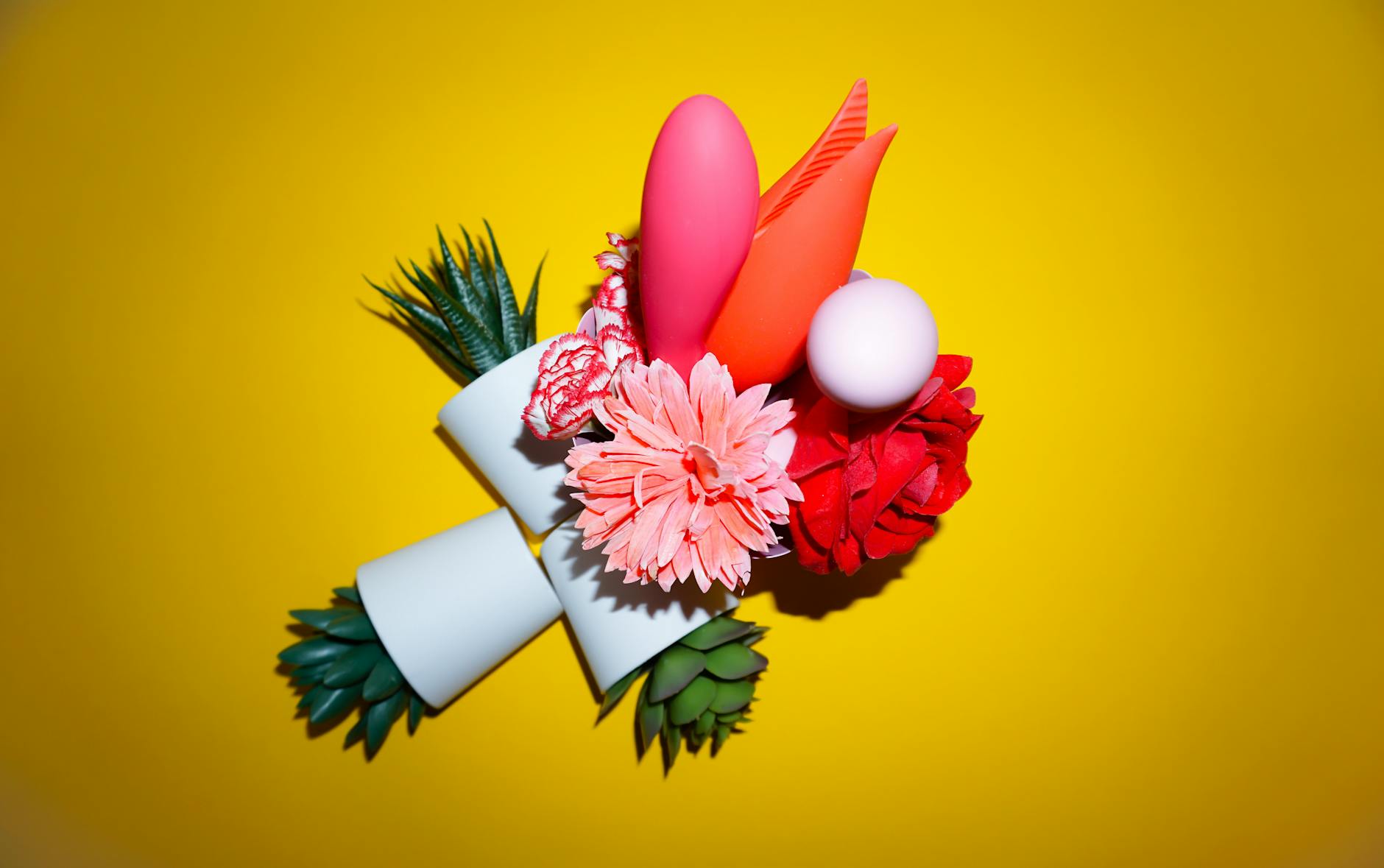
Here's the thing nobody tells you: your pleasure hardware gets an update after 40, and it's not a downgrade.
If you've been using a lemon clitoral vibrator (or any vibrator) in your 20s and 30s, and you're picking one up again now, you might notice something feels off. The intensity that used to feel perfect now feels too harsh. Or the opposite. Or both, depending on the day. That's not a sign your body is broken. It's a sign that your nervous system, your hormones, and your tissue sensitivity have all shifted, and your vibrator settings need to shift with them.
I work with couples navigating midlife pleasure, and one of the most common frustrations I hear from people over 40 is, "Why doesn't anything feel as intense as it used to?" followed by, "Wait, why is everything too intense now?" Both things are real. Both are fixable. And both matter for rebuilding pleasure in a long-term relationship or just for yourself.
The science is straightforward, even if the marketing around it is usually not.
Collagen in your skin and tissue gradually thins. This is not menopause-specific. It happens to everyone. That thinning means your clitoral tissue becomes more sensitive in some ways and less in others. You have fewer nerve endings in some areas, but those remaining nerves are sometimes more easily triggered. Estrogen and testosterone both typically decline (yes, people with ovaries produce testosterone too, and it matters for sensation). This softens tissue, which sounds gentle but actually means direct, constant pressure can feel uncomfortable where it used to feel good.
Your pelvic floor muscles also change. They get tighter over time, which can make some sensations feel more intense but can also create tension that blocks pleasure. And your nervous system becomes more easily overwhelmed. After decades of stimulation, your brain and body need more time to recover between sessions.
None of this means vibrators stop working. It means the way they work changes.
If you've been using the same vibrator for years, or you just bought one with the settings you always bought before, there's a good chance the intensity is now either too high or frustratingly too low.
This is where lemon vibrators, specifically, become interesting. Unlike traditional bullet vibrators that deliver steady buzzing, lemon sexual toys use a suction-and-release pattern that mimics the sensation of oral sex. That motion changes how intensity registers to your nervous system. A pattern that felt perfect at pattern 3 might feel overwhelming at the same speed now. Or you might need to jump from pattern 2 straight to pattern 5 because the middle speeds don't create enough sensation to register.
This isn't about being "broken." It's about your sensitivity threshold shifting. The neurons that fire during arousal need slightly different input to respond. Think of it like the volume on a speaker. You don't need to turn it up forever to get the same loudness. You need to adjust the frequency.
I've noticed three distinct patterns in how pleasure changes after 40, and knowing which one you're experiencing is half the battle.
Pattern one: Everything feels too intense. Your clitoral tissue is more sensitive to direct pressure. This is common if you're entering or in perimenopause or menopause, or if your hormones are shifting for any reason. The solution isn't to give up vibration. It's to use lower intensity, longer warm-up times, and vibrators that distribute sensation across a wider area instead of pinpointing it. A lemon clitoral vibrator works well here because suction spreads the sensation more than direct contact.
Pattern two: You need more intensity to feel anything. This is more common in people whose testosterone is dropping. The threshold for nerve firing gets higher. You might find yourself turning up to pattern 7 or 8 when you used to max out at pattern 4. This is normal, not a sign of numbness. It's a shift in sensitivity baseline.
Pattern three: It's situational. Some days pattern 2 is perfect. Other days you need pattern 6. This usually tracks with stress, sleep, where you are in your cycle (if you still have one), and your overall arousal level. This is actually the most common pattern after 40, and it requires the most patience because you can't just "set it and forget it."
Three practical changes that almost always help:
Start lower than you think you need. If you used to use pattern 4, start with pattern 2. Let your body wake up slowly. Arousal takes longer to build after 40, and that's not a flaw. It's an invitation to pay more attention.
Spend more time in warm-up. Fifteen minutes of manual touch or a different kind of stimulation before turning on your lemon vibrator makes a massive difference. Your tissue needs time to engorge with blood, and your nervous system needs time to quiet down and listen. This sounds like you're adding time to your routine, but you're actually improving the quality of sensation during the vibration itself.
Test your sensation when you're not aroused. This sounds weird, but it helps. During a quiet moment, try different intensity patterns on your forearm or inner wrist. See which ones feel pleasant and which feel jarring. Your clitoral tissue will respond similarly, and this removes the pressure of testing during an aroused state when you're evaluating whether something feels good.

Photo by Frank Schrader on Pexels
This is where lemon adult toys shine compared to basic vibrators.
A straight vibration at high intensity is actually harder on tissue that's become more delicate. But a patterned vibration (like the rhythmic suction in a lemon clitoral vibrator) creates arousal without the same tissue fatigue. Patterns feel less like overwhelming intensity and more like a rhythm your body can follow. Some people find they can use lemon vibrators for longer, experience less soreness afterward, and reach orgasm more reliably than with older vibrators.
When you're shopping for a new vibrator after 40, intensity settings matter, but so does what those settings actually do. A lem vibrator with 5 nuanced patterns might serve you better than a basic toy with 10 intensity levels.
Here's what I see most often in my practice: someone assumes that changing sensitivity means their body is failing.
That narrative is exhausting and wrong. Your sensitivity shifting is your body becoming more sophisticated, not less. You've had 40 years of sensation. Your nervous system has learned a lot. That learning changes what registers as pleasurable.
For people in long-term relationships, this becomes extra important. If your partner is still using the same pressure or speed they always have, and you've stopped responding the way you used to, they might assume they're doing something wrong. You might assume you are. Neither is true. You're both just working with older data.
Talking about it helps. "Hey, I'm realizing I need a slower warm-up and lower intensity to really feel good right now" is information, not criticism. And it opens the door for your partner to share what's shifted for them, too. Most people's pleasure patterns change after 40. Most couples just don't talk about it.
If you've been using the same lemon sexual toy for years, trying a new one can feel revelatory.
But before you buy something new, spend a month really experimenting with intensity levels and patterns on what you have. Start at the lowest setting. Move slowly through each pattern. Notice which ones create pleasure and which ones feel like static. Many people find that their current vibrator works great once they stop assuming they need maximum intensity.
If you genuinely can't find a pattern that feels good, or if you experience pain, that's when to explore new tools. And if you do, prioritize toys with multiple patterns over multiple intensity levels. Patterns give your nervous system more to work with. They also feel less monotonous.
Here's what almost everyone discovers once they stop fighting their body's changes and start working with them: pleasure gets better, not worse.
When you slow down. When you pay attention to what actually feels good instead of what's supposed to feel good. When you let your nervous system set the pace instead of assuming you know what you need. That's when things open up.
Your lemon vibrator isn't less effective after 40. Your body is just asking you to use it differently. And honestly, that's a conversation worth having.
Why do lemon vibrators feel different as I age?
Your clitoral tissue becomes more delicate as collagen production slows. The suction-and-release pattern in a lemon clitoral vibrator distributes sensation differently than direct vibration, which is often why they feel more comfortable and more effective for people over 40. You also have lower baseline arousal, which means intensity tolerance drops even if sensitivity increases. The vibrator itself works the same. Your body's response to it changes.
Is it normal to need lower intensity after 40?
Completely normal. Hormonal shifts, collagen changes, and nervous system adaptation all contribute to lower intensity tolerance. This doesn't mean your body is broken. It means your nervous system is being more protective of your tissue, which is smart. Many people find that lower intensity settings actually create more satisfying orgasms because they're not fighting overstimulation.
How do I know if I should try a new lemon vibrator or adjust my settings?
Spend at least three sessions really experimenting with every intensity level and pattern on your current toy, starting at the lowest. If you find a combination that feels genuinely good, your current vibrator still works. If every setting either feels too intense or doesn't register at all, that's when to explore a new toy designed for more sensitive tissue. Patterns matter more than raw power for people over 40.
Can I use the same lemon vibrator I used in my 20s and 30s?
Yes, but probably not with the same settings. If your toy from years ago still works mechanically, you might just need to shift down a few intensity levels and build in more warm-up time. If you find yourself always at the highest intensity and still not satisfied, or if every intensity feels uncomfortable, it might be worth trying a newer model designed for sensitivity changes across the lifespan.
Why does warm-up time matter more now?
After 40, arousal takes longer because blood flow changes and hormone levels are different. Tissue needs time to engorge and become fully sensitive. Jumping straight to vibration without warm-up is like trying to run a race without stretching. You'll finish, but it won't feel as good. Building in 10-15 minutes of manual touch or different stimulation makes vibration feel dramatically better.
What intensity level should I start with?
Start at the absolute lowest pattern, not the lowest intensity. If your lemon vibrator has 8 patterns, begin with pattern 1. Give yourself 30 seconds to a minute to really feel it. Then progress slowly. Most people find their sweet spot is lower than they expected, and that's completely normal. You might discover you need pattern 3 instead of pattern 6, and that pattern 3 actually creates more intense and satisfying orgasms because your tissue isn't overwhelmed.
Your body after 40 is not a problem to solve. It's a conversation to have with yourself and with anyone you share pleasure with. If you're finding that sensitivity and intensity patterns have shifted and you want support navigating that, reach out. I work with couples and individuals rebuilding pleasure after midlife transitions.
In the meantime, give yourself permission to start slower, stay lower, and discover that sometimes the best orgasms come when you finally stop forcing intensity and start listening to what your body is actually asking for.