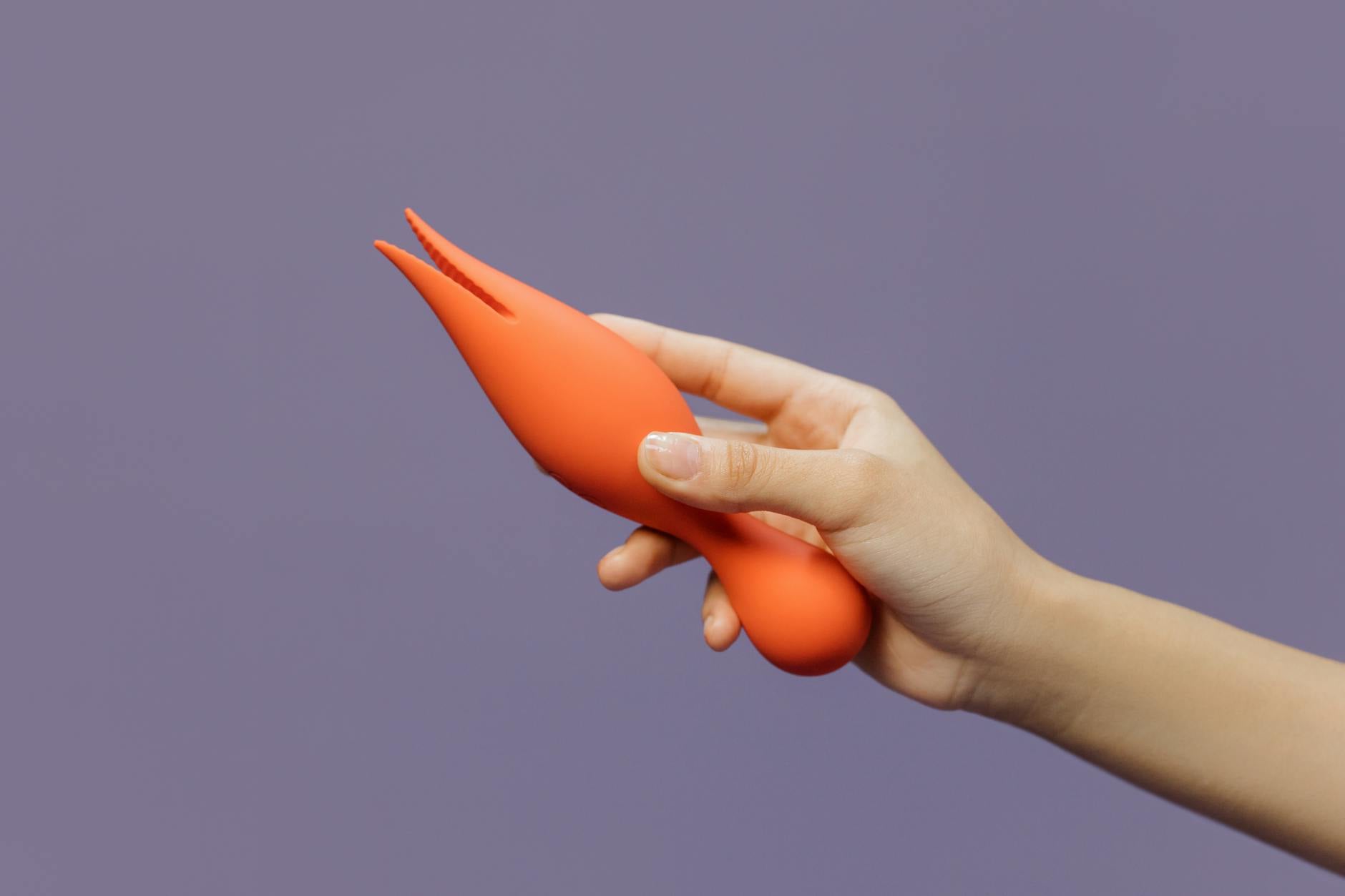
How to Regain Pleasure With a Lemon Vibrator After Antidepressants
When medication numbs sensation, a lemon clitoral vibrator and the right approach can help you rebuild arousal, sensitivity, and orgasm. Here's the practical roadmap.
Antidepressants save lives. They also, in about 40-50% of people who take them, flatten sexual response in ways that feel both invisible and devastating. You can feel better emotionally and worse physically at the same time. That's not a sign the medication is wrong. It's a signal that you need a different strategy to reconnect with pleasure.
Antidepressants (primarily selective serotonin reuptake inhibitors like sertraline, paroxetine, and fluoxetine) work by increasing available serotonin in your brain. That helps mood, but serotonin also regulates dopamine, which drives sexual desire and pleasure sensation. When serotonin floods certain pathways, dopamine sometimes gets suppressed as a side effect.
The result: delayed arousal, difficulty reaching orgasm, or orgasm that feels muted. Some people describe it as watching pleasure happen to someone else. Others say sensation feels distant, like touching the world through a thick glove.
What's happening physically is this. Your clitoris still has the same nerve density. Your brain can still produce orgasm. But the signal between them gets quieter. It's not that pleasure is gone. It's that the volume has been turned down.
This matters because it changes how you approach pleasure tools. A device that worked brilliantly before medication might feel useless now. Not because you're broken, but because you need a different entry point into sensation.
Traditional vibrators send consistent, broad vibrations across the clitoris. When you're on antidepressants, that pattern often feels like nothing. Lemon clitoral vibrators, and products like the Lem by Hello Nancy, use air-suction technology instead.
Suction creates a pressure change and rhythmic pulse that engages nerve endings differently than vibration alone. For people on medication, this shift in stimulation type can be the difference between numb and responsive. It's not stronger. It's a fundamentally different signal your nervous system recognizes more easily.
Many of my clients report that they couldn't orgasm on vibrators but can reliably climax with a lemon sucker. That's not coincidence. It's evidence that you're not broken. You just need to match the tool to what your medicated nervous system can actually feel.
One of the cruelest parts of antidepressant side effects is the extended arousal time. Where you might have gotten wet and ready in five minutes before, now it takes 20-40 minutes. And if you don't know that's normal, you assume you're not interested. You're just slow now.
Here's the actual timeline to expect.
First 10-15 minutes: mental transition, no physical response yet. This is normal. Don't interpret silence as lack of interest. Keep going.
Minutes 15-25: your body starts warming up. Blood flow increases. Your clitoris may begin to swell slightly. This is where many people give up because they expected more by now.
Minutes 25-40: arousal builds more noticeably. This is when you introduce your lemon vibrator or clitoral vibrator. The suction works much better now that you're already primed.
Minutes 40+: from here, orgasm might arrive quickly or take another 15-20 minutes. This varies wildly. The point is you're in the responsive zone now.
During medication adjustment periods, especially the first three months, extend this timeline by another 10 minutes across the board. Your nervous system is still adapting.
Think of this like relearning pleasure from scratch. Three phases.
Phase one: Solo exploration and memory. Use your lemon clitoral vibrator with zero performance pressure. No goals, no timeline. Start on the lowest setting and spend 15 minutes a session noticing what your body does, however small. Can you feel warmth? A tingle? Tension building? Write one word down afterward. This creates a map of what's happening internally.
Phase two: Extending the window. Once you've mapped sensation over two weeks or so, introduce longer sessions. Use more settings on your lem vibrator. Go from 15 minutes to 25 to 40. Your nervous system needs time to remember that pleasure is safe and available. Rushing this phase is the fastest way to frustration.
Phase three: Adding context. Once solo sensation is returning, think about what else turns you on. Is it visual? Auditory? Psychological? Antidepressants can also dampen fantasy and desire, so you might need to actively rediscover what appeals to you. This isn't sexy. It's diagnostic. And it matters.
You don't have to live with flattened pleasure as a permanent side effect. There are three conversations worth having with the doctor who prescribed your antidepressant.
First: timing. Some antidepressants work better if you take them at different times of day. Sertraline, for instance, has a shorter half-life than paroxetine. Taking it in the evening instead of morning can sometimes preserve more daytime arousal. This is a simple adjustment that occasionally makes a big difference.
Second: dosage. Sometimes a lower dose maintains mood benefits while reducing sexual side effects. This is tricky and requires careful monitoring, but it's worth asking about if numbness is severe.
Third: medication switch. Not all antidepressants flatten arousal equally. Bupropion and mirtazapine sometimes have fewer sexual side effects. So do some tricyclic antidepressants, though they come with other trade-offs. A prescriber familiar with sexual side effects can sometimes find an alternative that works.
None of this means you should stop taking your medication or adjust dosing without guidance. It means you deserve a conversation about the full picture of your health.
If you're with a partner, the biggest mistake couples make is assuming numbness means lack of interest. It doesn't. You can adore someone and still have zero libido while medicated. These are separate problems with separate solutions.
The conversation that helps: "My body is responding more slowly right now because of medication. That doesn't mean I'm not attracted to you. But we need to budget more time and might need to adjust what we do." Then actually adjust. Longer foreplay. Different types of touch. Using a lemon sucker together. More communication about what's working moment to moment.
Most couples who navigate this well are the ones who stop expecting the old rhythm to work and actually design a new one intentionally.
Start low, go slow. On your first few sessions, use pattern one or two on your lem vibrator. Your numbed nervous system needs time to recognize stimulation. Jumping to high intensity usually feels like nothing and reinforces the lie that you're broken.
Use lube even if you think you don't need it. Antidepressants can reduce natural lubrication too. Water-based lube makes suction more effective and protects tissue that might feel extra sensitive as sensation returns.
Track timing and patterns. Keep notes on what settings work, how long sessions take, whether time of day matters, how many days apart sessions feel best. Within three weeks you'll see patterns that guide you toward what works for your medicated body.
When sensation does start returning, it's often subtle at first. A slight buzz. Warmth that wasn't there before. These are real markers of progress, not false hope. Most people take four to eight weeks to feel genuinely different.
Yes, usually. Your nervous system adapts over time. Many people find that sensation gradually improves over three to six months even without any medication changes. The key is patience and consistent, low-pressure exploration. Some people do reach a plateau where sensation is noticeably different than pre-medication baseline, but nearly functional and satisfying.
Completely. There are no interactions between antidepressants and suction vibrators or any other pleasure device. The only caution is sensitivity. Numbed sensation sometimes makes it easy to apply too much pressure. Start gently and let sensation guide intensity, not habit.
Only with your prescriber's direct supervision. Dosage adjustments come with real risks if mood destabilizes. But yes, this is sometimes the right call if sexual side effects are severe. Some people find a lower dose that balances mood and pleasure. Others discover the original dose was right and the numbness needs a different solution.
Yes. If anything, a lemon vibrator or air-suction device might be easier on desensitized tissue than traditional vibrators because you're controlling pressure. Start at the lowest setting and let sensation guide you upward.
Wait through the initial side effect window, which is typically two to four weeks. Then start gentle exploration. The first month is about noticing what you feel, not achieving any outcome. Set expectations that low.
That's a bigger conversation about partnership. Antidepressants help you stay alive and well. Your partner adapting temporarily to support that is reasonable. If they won't, couples therapy often helps reframe this from "she doesn't want sex" to "we both need to problem-solve together." That shift changes everything.
Antidepressants and pleasure aren't opposites. They're just harder to hold together without intention. The fact that you're reading this means you're not resigned to numbness. That matters. Sensation can return. Orgasm can deepen again. The path is longer than it was before, but it's real.
Your pleasure matters. Your body deserves attention and respect, medicated or not. Start with curiosity instead of goals, give yourself time, and trust that reconnection is possible.
If you're struggling with how to navigate these conversations with partners or prescribers, or you want support rebuilding your relationship's intimacy during medication adjustments, I'm here to help. Reach out at /contact anytime.