Graduate school doesn't just steal your time. It colonizes your nervous system. Years of back-to-back deadlines, publication pressure, imposter syndrome, and the relentless question of "Am I good enough?" leave your body in a state of chronic activation. Your sympathetic nervous system has been running the show, and your parasympathetic system? That's been on silent mode.
Pleasure requires the parasympathetic system to show up. That's the part of your nervous system that says it's safe to rest, to feel, to want things that aren't on a syllabus.
So when you finish your degree and suddenly have time again, you might notice something unsettling: your body doesn't remember how to want. Or it wants, but the signals feel distant, muted, like you're trying to feel pleasure through a thick pane of glass. This is not laziness. This is not broken. This is your nervous system slowly learning that the emergency is over.
When you're in chronic stress mode, your body prioritizes survival functions over reproduction and pleasure. Cortisol and adrenaline stay elevated. Blood flow gets redirected away from the pelvic floor toward your limbs and brain. Your clitoral tissue, like all of your tissues, becomes less sensitive because the nervous system is literally turned outward, not inward.
Over months and years, this changes how orgasms feel. They become harder to access. The buildup takes longer. Sometimes they disappear entirely. You're not depressed (though stress can cause that too). Your body has simply learned that pleasure is a luxury it can't afford right now.
Here's what's encouraging: this is reversible. Not instantly, but steadily. Your nervous system is designed to recalibrate. It just needs permission and the right conditions.
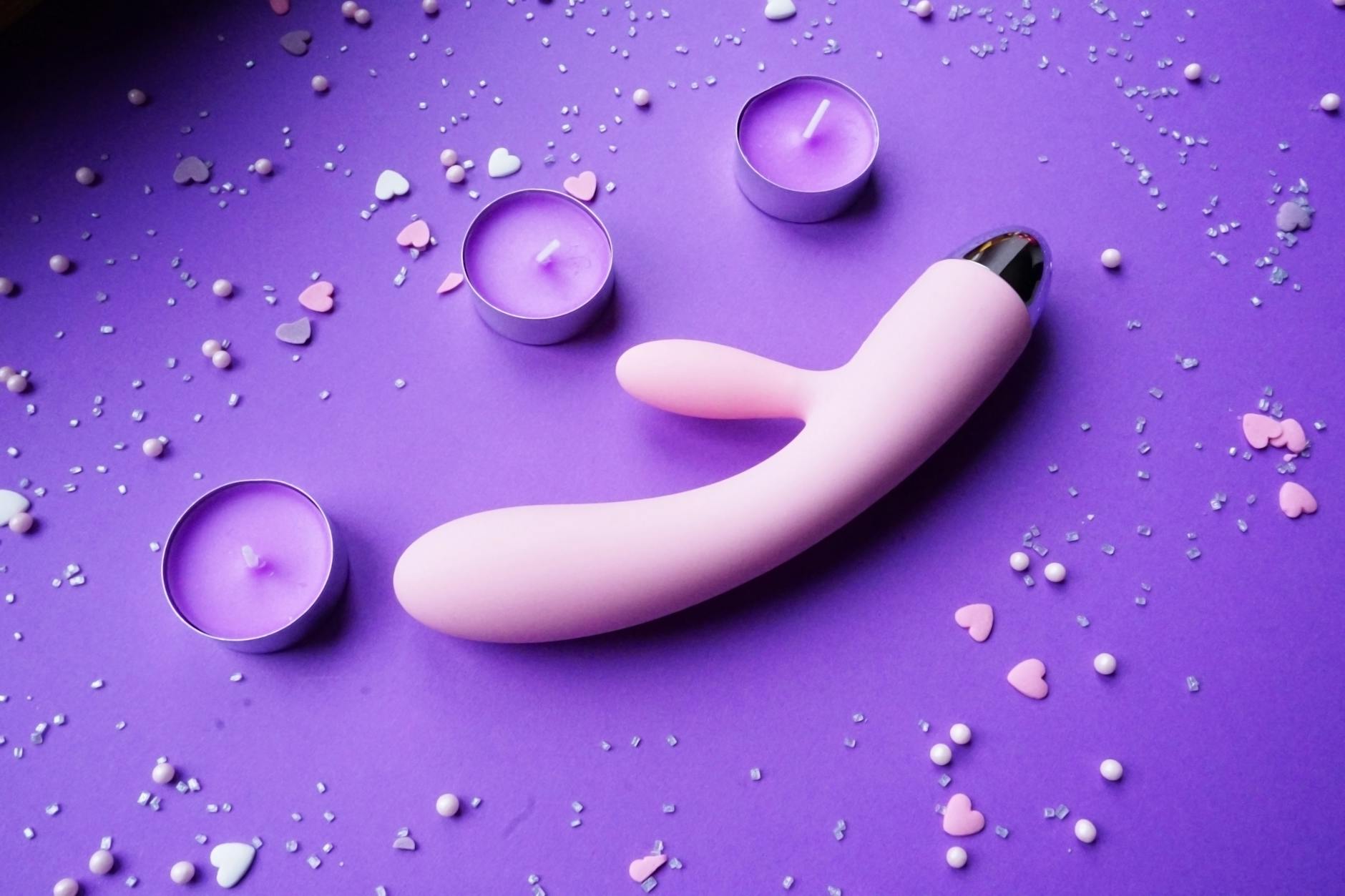
A clitoral vibrator like the Lem isn't just a pleasure tool. It's a biofeedback device. It's sending consistent, predictable stimulation to an area of your body that's been neglected. That stimulation wakes up your nervous system in a way that's safe and contained.
Lemon vibrators use suction and pulsing rather than traditional vibration. This matters because when your nervous system is in recovery, intense friction can feel overwhelming. Suction is gentler, more rhythmic, easier to stay present with. Your clitoris has 8,000 nerve endings. A good lemon sucker activates them slowly and steadily, which allows your parasympathetic system to recognize it as safe.
There's another piece: the act of using a vibrator is a form of self-care that's explicitly about your pleasure. Not your productivity. Not your earning potential. Not your dissertation. You. That's a radical recalibration for someone who's spent five to seven years in achievement mode.
Don't jump straight to orgasms. That's still performance pressure. Instead, treat this like relearning.
Start with touch. Spend time with your body with no goal. Use your fingers, your hands, a soft toy. Notice what feels good without trying to make anything happen. This phase might take weeks. That's fine. You're teaching your nervous system that touch is safe again.
When you're ready for a lemon vibrator, start at the lowest setting. Spend 10 to 15 minutes just feeling the sensation. Not trying to come. Not checking if it's working. Just presence. Your clitoris might feel numb at first. That numbness will slowly lift as your nervous system learns it's safe to wake up.
The Lem's pattern settings are useful here. Start with pattern one, the steady pulse. Let that pulse sync with your breathing. Your nervous system responds to rhythm. A steady external rhythm helps regulate an internal one that's been chaotic.
You spent years working toward external validation. Orgasms are one of the few things you genuinely cannot force. You cannot optimize your way to pleasure through sheer will. This might be the most important thing graduate school didn't teach you.
When orgasms don't happen, your brain will want to problem-solve. It will want to add intensity, try different positions, switch tools. Usually this makes it worse because you're adding pressure and urgency back in.
The counter-intuitive move? Let the session end without an orgasm. Notice what you felt. Notice that your body moved toward something it was afraid of moving toward. That's the win. That's the evidence that your nervous system is starting to trust again.
Many of my clients report that their first post-stress orgasm comes weeks in, sometimes months. And it's usually not the most intense orgasm of their life. It's often smaller, quieter, more of a gentle release than a crescendo. And that's perfect. That's your nervous system slowly remembering that pleasure is something you're allowed to have.
This might sound obvious, but most people forget to breathe when they're under stress. You get used to shallow breathing, chest breathing, the kind that keeps you in a low-level anxiety state even when there's no immediate threat.
When you're using a lemon clitoral vibrator, your breath is your anchor. Let it be slow. Let it be deep. This is the physiological signal to your parasympathetic system that the coast is clear.
If your mind wanders to unfinished projects, that's normal. You just spent years training your brain to be elsewhere. When you notice the drift, gently return to sensation. What does the vibration feel like? Where are you feeling it most? This is a meditation with a sexual purpose, and like all meditation, it's about returning, not about perfection.
If numbness persists beyond a few months, or if pleasure feels painful rather than numb, talk to a therapist who specializes in trauma or somatic work. Years of chronic stress can create what's called stress-induced sexual dysfunction, and it's worth professional attention.
Similarly, if you're also experiencing depression, anxiety, or sleep issues post-graduation, pleasure recovery is only one piece. Your whole nervous system might need reset work. That's not a sign you're broken. That's normal after what amounts to a years-long endurance test.
Here's what I want you to know. Your body did exactly what it was supposed to do. It prioritized survival when survival felt necessary. The fact that pleasure went quiet doesn't mean it's gone. It means your body was being efficient with its resources.
Now that you're out, your body gets to learn something radical: survival isn't the only priority anymore. Pleasure matters. Your desire matters. Time spent on sensation, on feeling good, on reconnecting with your body isn't wasted time. It's restoration.
A lemon vibrator is a tool. But the real work is giving yourself permission to use it. Permission to take time. Permission to feel nothing for a while and keep going anyway. Permission to eventually feel everything again.