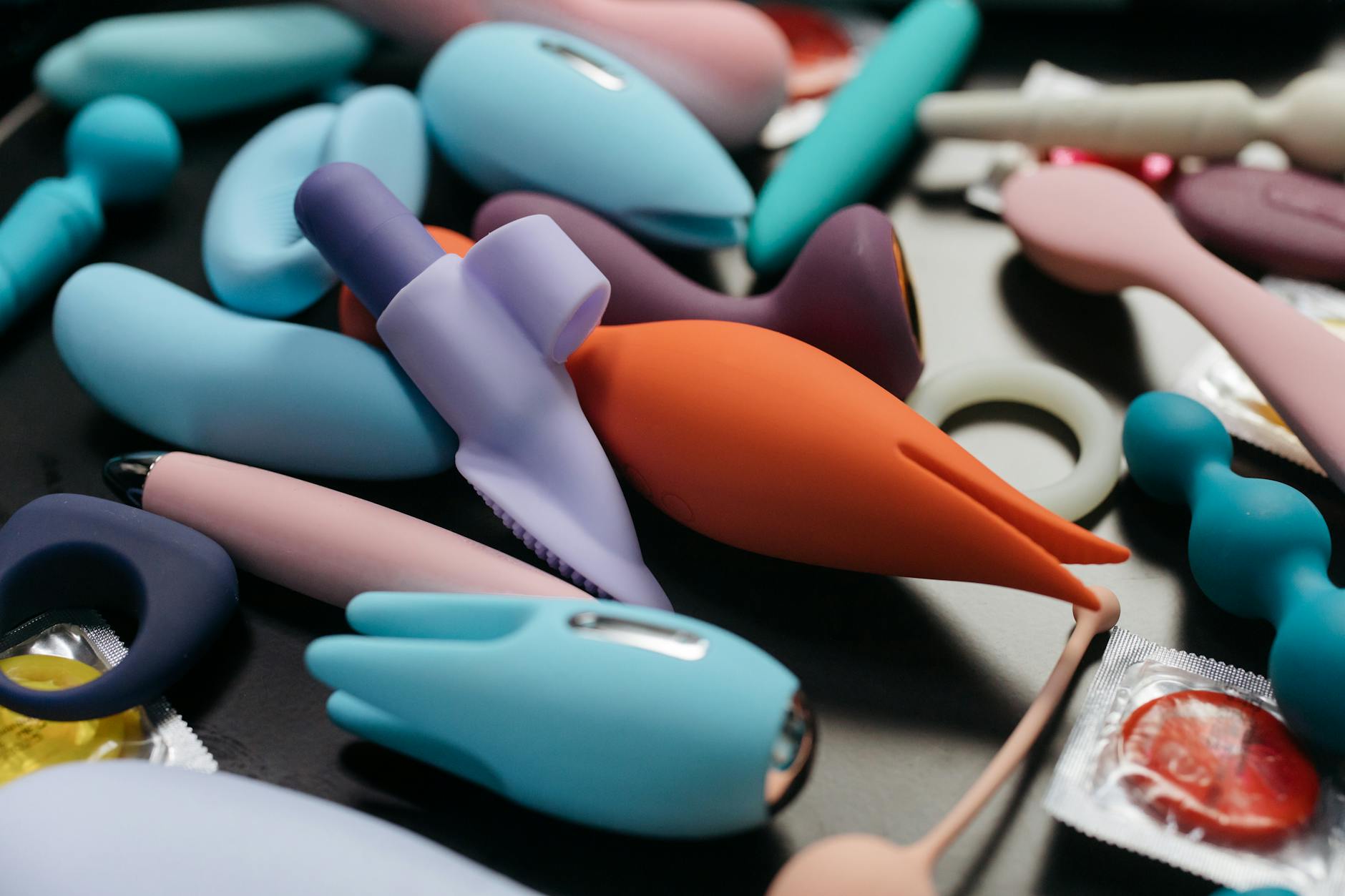
Why Lemon Vibrators Work When You Have Low Sensation Threshold
Your nervous system isn't broken. It's just wired differently. Here's why a lemon clitoral vibrator and suction-based stimulation bypass the problem entirely.
Let's be real. If you've been told you have a low sensation threshold, you've probably also been told it's a problem to fix. It's not. It's a variation in how your nervous system processes stimulation, and it's way more common than you'd think.
Low sensation threshold means your body registers stimulation more quickly and intensely than the average person. Where someone else might enjoy a medium-intensity vibration, you hit "too much" faster. Traditional vibrators, with their buzzing motion, can feel overwhelming or even painful because they're delivering broad, constant stimulation across a larger area. Your nervous system just gets there first.
The good news: you're not numb. You're not broken. You're just dealing with a mismatch between the tool and your wiring.
Most vibrators work by oscillating back and forth at high speeds. That motion activates a lot of nerve endings at once, creating a buzzing sensation that feels diffuse and, if you're sensitive, pretty intense. If your body processes stimulation quickly, that broad activation can feel either too intense or weirdly numb. You hit a ceiling where more intensity doesn't feel better, it just feels like too much.
Then comes the frustration: you shut down, your body tenses, and the whole experience becomes about managing discomfort instead of exploring pleasure.
Wand vibrators, which are often even more powerful, usually make it worse. The large surface area and intense vibration pattern mean there's nowhere to hide. If low sensation threshold is your reality, a wand can feel like someone's holding a jackhammer to the most sensitive part of your body.
This is where lemon vibrators and suction-based clitoral vibrators completely reframe the experience. Instead of buzzing at high speed, they use a gentle pulsing suction motion that stimulates a much smaller, more focused area. Think of it less like a vibrator and more like a gentle kiss that releases and engages rhythmically.
That distinction matters enormously. Suction activates different nerve pathways than vibration does. It's a gentler, more rhythmic stimulus that your nervous system often processes differently. For people with low sensation thresholds, this usually feels more manageable, more pleasurable, and less likely to tip into overstimulation.
A lemon sucker or lemon clitoral vibrator gives you control without requiring you to constantly dial things down. The sensation builds more gradually, which means your body has time to acclimate and actually enjoy it.
Here's something I've noticed working with clients who have low sensation thresholds: intensity isn't the only thing they respond to. Pattern and pressure matter just as much, sometimes more.
Lem vibrators let you play with both. You can use the lowest setting and focus on the rhythm instead of the power. The suction creates a kind of pressure-based pleasure that doesn't depend on high vibration frequency. Some people with low thresholds find that rhythm alone, at a gentle pressure, gives them some of the best orgasms they've ever had.
You're not chasing intensity. You're chasing the right sensation. Those are completely different things.
If you're considering a lemon vibrator or other clitoral sucker and you have low sensation threshold, here's what I recommend.
First, approach it solo. No pressure to perform or worry about timing. Give yourself 20 minutes and just explore the lowest settings. Most clitoral vibrators have multiple patterns or intensity levels. Start at pattern 1 or intensity level 1 and spend time there. Let your body adjust.
Second, focus on the sensation itself rather than chasing an orgasm. That mental shift alone changes everything. You're gathering information about what feels good, not racing toward a goal.
Third, keep water-based lubricant nearby. Low sensation threshold sometimes means the tissue is sensitive to friction as well as vibration intensity. Lubrication can make a huge difference in how comfortable the experience feels.
Fourth, give yourself permission to pause. If something starts to feel like too much, stop. Rest. Come back to it later. Your pleasure isn't a performance metric.
Here's what doesn't get talked about enough: low sensation threshold and anxiety often travel together. Your nervous system processes stimulation quickly, which can feel like danger. So it braces. Muscles tense. The whole experience becomes fraught before you even start.
If that's your reality, the physical tool is only part of the answer. A lemon vibrator can help create a more manageable sensation profile, but you also need permission to slow down and trust your body. That's not something a toy does for you. That's something you practice.
When you do find the right tool, though, it becomes proof that your body is actually capable of pleasure without constant struggle. That's worth something.
If low sensation threshold is linked to past trauma, anxiety disorder, or chronic pain, a sex therapist or somatic practitioner can be genuinely helpful. They can teach you techniques for calming your nervous system before and during pleasure, which makes any toy more effective.
If you're on medication that affects sensation, talk to your doctor. Some antidepressants or blood pressure meds can increase sensitivity to stimulation. It might be worth exploring whether timing or dosage adjustment helps.
And if you're exploring pleasure with a partner, this is a critical conversation to have. Low sensation threshold isn't something you need to apologize for or hide. It's useful information that actually makes intimacy easier when your partner knows what's real.
Low sensation threshold doesn't disqualify you from pleasure. It just means you need tools and approaches that match your nervous system. A lemon clitoral vibrator or other suction-based toy often does that work better than traditional vibrators ever will. You're not broken. You're not oversensitive. You're just someone who benefits from a different approach.
Your pleasure matters, even when your body processes stimulation differently. Start there.
Absolutely. Low sensation threshold doesn't prevent orgasms. It just means your body might reach the "this is too much" point before it reaches the orgasm threshold with certain tools. That's why matching the right tool to your nervous system is crucial. Many people with low sensation thresholds report that lemon vibrators or suction-based clitoral toys actually make orgasms easier and more consistent because the sensation profile feels manageable.
Suction-based stimulation activates different nerve pathways than vibration does. It creates a rhythmic pressure and release pattern rather than continuous oscillation. For people with low sensation thresholds, this often feels less overwhelming and more pleasurable because it's a gentler, more focused stimulus. The pulsing suction motion also allows your nervous system to acclimate more gradually.
No. Low sensation threshold means you process stimulation quickly and intensely, not that you can't feel anything. If you genuinely can't feel sensation, that's a different issue and worth discussing with a doctor. Low threshold is about nervous system reactivity, not absence of feeling. The right lemon clitoral vibrator or suction toy usually proves that pretty quickly.
There's no standard timeline. Some people adjust in a single session. Others need three or four explorations to feel comfortable. Start with the lowest setting and shortest sessions (10-15 minutes). Let your nervous system get familiar with the sensation before pushing intensity. Most people with low thresholds find their comfort zone within a week or two of regular use.
Yes, absolutely. This is practical information that actually makes partnered sex better. It's not a flaw or something to be embarrassed about. It's useful data that helps your partner understand what you need and what you don't. Once they know, conversations about toys, timing, and foreplay become way easier. You're not fighting your body anymore. You're working with it together.
Yes. If you're already processing stimulation quickly, anxiety can make your nervous system even more reactive. Your body tightens, braces, and makes everything feel more intense. This is why exploring pleasure solo first, in a relaxed setting, can be so helpful. Once you've had a few experiences where your body doesn't freak out, partnered experiences usually improve. A therapist who specializes in somatic work can also teach nervous system regulation techniques that help tremendously.