Let's be real. Around 45, something shifts. Maybe you notice it during exercise. Maybe during sex. The tissue down there feels different. Orgasms come slower or feel less intense. Some people report sensation that used to be electric now feels muted. That's not random. That's biology.
This doesn't mean pleasure ends. It means you're in a different chapter, and the tools and approach that worked at 30 need recalibrating. A lemon clitoral vibrator is built for this exact transition because it works with how your body responds now, not how it responded ten years ago.
Four tissue-level shifts happen in your 40s and beyond.
Estrogen production starts declining. This isn't menopause yet. This is perimenopause, the 5 to 10-year runway where your body is transitioning. Lower estrogen means vaginal tissue gets thinner. It's called vaginal atrophy. The medical term sounds scarier than the reality, but the reality is real. Tissue loses elasticity and natural lubrication.
Second, the clitoris actually changes shape slightly. Tissue under the hood thins. The visible parts shrink marginally. For some people, this means the clitoris is less accessible to direct stimulation. For others, it means sensation becomes more concentrated. Different isn't worse. It's different.
Third, blood flow patterns shift. Arousal takes longer because blood takes longer to engorge tissue. A warm-up that took ten minutes at 35 might need twenty minutes at 45. That's not a problem. That's information.
Fourth, the pelvic floor loses estrogen-dependent support. Kegel muscles weaken even if you've been training them consistently. This can change how orgasms feel, sometimes making them feel shallower or more localized rather than full-body waves.
None of this stops pleasure. All of it changes how you access it.
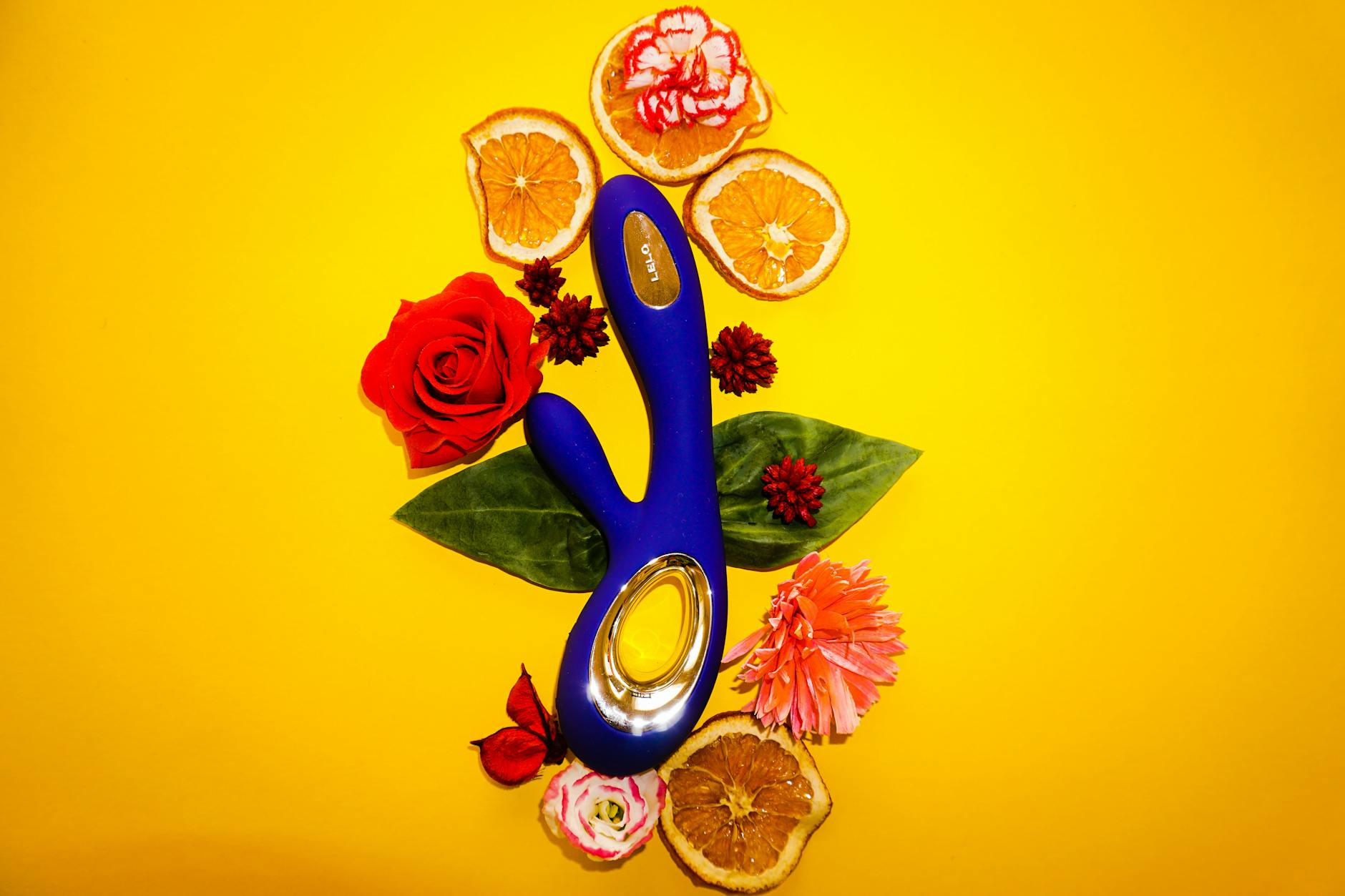
A lemon vibrator is a suction-based clitoral stimulator. Unlike traditional vibrators that work through friction and buzziness, it uses air-pulse technology. For women over 45, this matters.
Here's why. Thin tissue is sensitive. Direct buzzing vibration can feel too intense or even uncomfortable on tissue that has lost thickness. The suction motion of a lemon vibrator stimulates without the mechanical grinding. It's gentler on the external tissue while still delivering powerful sensation to the nerve-rich areas you need stimulated most.
The clitoris has about 8,000 nerve endings. They don't go anywhere with age. But the skin protecting them gets thinner. A lemon sucker approach lets you stimulate those nerves without the friction that might cause micro-tears or soreness on tissue that's less resilient than it used to be.
Second, the suction motion mimics arousal patterns your body recognizes. It's closer to the kind of stimulation that happens naturally during partnered sex. For women whose sensation has flattened with age, this pattern recognition can wake up neural pathways in a way that traditional vibration sometimes doesn't.
Using a lemon clitoral vibrator at 45-plus is straightforward, but a few adjustments make the difference.
Start with water-based lubricant. Even if you never needed it before. Thinner tissue benefits from lubrication not because you're broken, but because friction matters more now. A good water-based lube (never oil-based, which can degrade silicone) changes the experience from uncomfortable to effortless.
Give yourself real warm-up time. Fifteen to twenty minutes minimum. This isn't a luxury. It's the physiological reality of how blood flow works in your 40s. Read something that turns you on. Touch other parts of your body. Let arousal build naturally before you introduce the lemon vibrator.
Start on the lowest setting. You don't need to prove anything. Patterns 1 and 2 on a lemon clitoral vibrator are often enough. You can work up to higher intensities, but starting gentle gives your body a chance to remember what pleasure feels like and prevents overstimulation of sensitive tissue.
Position matters more. The clitoris is less prominent now. You might need to experiment with angle or placement to find the spot that creates sensation. This is not a flaw in you or the toy. It's your body asking you to learn it again.
Use it solo first. Before introducing it to partnered sex, get comfortable with how it feels on your body now. You'll learn what patterns work, what positions feel best, and how long you need to build to orgasm. That knowledge makes the experience better whether you're alone or with a partner.
Some women over 45 report that orgasms feel less explosive than they did in their 30s. That's common. Some report they feel more internal, less clitoral. That's also common. Some say their most powerful orgasms happen after 45. That's common too.
The wide range is normal because bodies diverge more as we age. What's not normal is sharp pain, burning, or soreness that lasts hours after use. Thinner tissue tears more easily than it used to. If you experience pain, stop. Wait a few days. Try again with more lube and less intensity. If pain persists, a gynecologist trained in menopause medicine can prescribe topical estrogen creams that rebuild tissue thickness in four to eight weeks.
Numbness is also worth addressing. If a lemon vibrator isn't producing any sensation, that can signal something else going on. Low thyroid, diabetes, nerve damage from previous injury, or medications like SSRIs can all flatten sensation. Before assuming it's age, check those boxes. A doctor can help.
Likewise, if desire has vanished completely, that's different from sensation shifting. Desire loss sometimes points to relationship dynamics, stress, depression, or hormonal changes that go beyond normal perimenopause. How to Use a Lemon Vibrator When You Have Chronic Pelvic Floor Tension covers the physical side, but a therapist or menopause specialist can help untangle the emotional part too.
If you're partnered, this transition is worth talking about. Not in bed. Somewhere neutral. "My body's changing. Sex feels different. I want to explore what works now instead of chasing what used to work."
That sentence does two things. It frames the change as normal and biological, not as a problem or a rejection. And it opens the door to curiosity rather than shame. Some partners want to learn the new landscape with you. Some don't. That information is also important.
If your partner resists or gets defensive, that's a relationship issue, not a body issue. A couples therapist can help you both navigate it. Pleasure isn't selfish at 45. It's maintenance.
If vaginal dryness is severe (painful intercourse, spotting, frequent UTIs), ask your doctor about topical estrogen or vaginal moisturizers. These aren't extreme measures. They're normal medical support for a normal change.
If you're on SSRIs or other medications that flatten sensation, don't assume this is permanent or normal at your age. Talk to the prescribing doctor. Sometimes a dose adjustment or timing change helps. Sometimes a medication switch is worth exploring.
If you've never orgasmed and you're 45+, this is actually an excellent time to work with a sex therapist. Neuroplasticity is real at any age. The calm, unhurried approach that works for you now might finally unlock something that rushed sex at 25 never did.
Here's what I see most often in my practice. Women over 45 spend months or years assuming pleasure is declining because their body is failing. Then they shift the frame: "My body isn't failing. It's evolving. I get to learn it again."
That shift is not positive thinking. It's accurate thinking. Your clitoris hasn't disappeared. The nerve endings are still there. Blood still flows. Orgasm is still possible. Often it's deeper and more satisfying than it was before because you're not distracted by fertility anxiety, period tracking, or the performance pressure of younger years.
A lemon clitoral vibrator meets you in this new chapter. It's designed for bodies that respond differently. That's not a compromise. That's a match.
You can, but it might not feel as good. Tissue sensitivity changes. The intensity that felt good at 35 might feel overwhelming or numb at 45. A lemon sucker's gentler suction approach often works better for women experiencing tissue thinning. If you're getting no sensation from your old vibrator, that's a signal to try something designed for where your body is now.
Does vaginal tissue actually grow back if I use topical estrogen?
Yes. Topical estrogen creams (not systemic hormone therapy) are absorbed directly into vaginal tissue and can rebuild thickness in four to twelve weeks. The tissue won't return to age-25 appearance, but it regains resilience and lubrication. This is a normal medical intervention, not a cosmetic one.
Is it normal to need more lube after 45?
Completely normal. It's not a sign that something is wrong with you. Estrogen levels drop. Vaginal lubrication production decreases. A good water-based lube is basic hygiene and comfort at this stage of life, not a workaround for a problem.
Can I have an orgasm with a lemon vibrator if I'm on antidepressants?
Sometimes, yes. SSRIs flatten sensation for many people, and that effect can feel worse at 45 when sensation is already shifting. But the lemon vibrator's suction method sometimes bypasses that numbness better than traditional vibration. Try it. If it still doesn't work, ask your doctor about timing the medication differently or trying a different SSRI. That conversation is worth having.
Should I use a lemon vibrator alone first, or can I use it with a partner right away?
Solo first, ideally. You'll learn what your body responds to now. You'll figure out positioning and pacing. Then when you bring it to partnered sex, you're not discovering your own body while also navigating partner dynamics. How to Use a Lemon Vibrator With Your Partner and Actually Talk About It walks through that conversation and integration step by step.
What if a lemon vibrator feels uncomfortable on my tissue?
More lube, lower setting, shorter sessions. If those don't help, you might need to address tissue thickness first with topical estrogen before introducing any vibrator. Or you might just prefer a different kind of stimulation. Not every tool works for every body. Curiosity about what does work is more important than commitment to one specific toy.
After 45, your body doesn't stop wanting pleasure. It stops wanting what it used to want and starts wanting what it actually needs. That's not loss. That's honesty. A lemon clitoral vibrator is built for bodies in this honest stage. It's gentle enough for tissue that's changed. Powerful enough to reach nerves that still absolutely work. And it acknowledges that pleasure at 45 looks different from pleasure at 25, and that different is not worse.
Your body deserves attention now, exactly as it is. Start there.