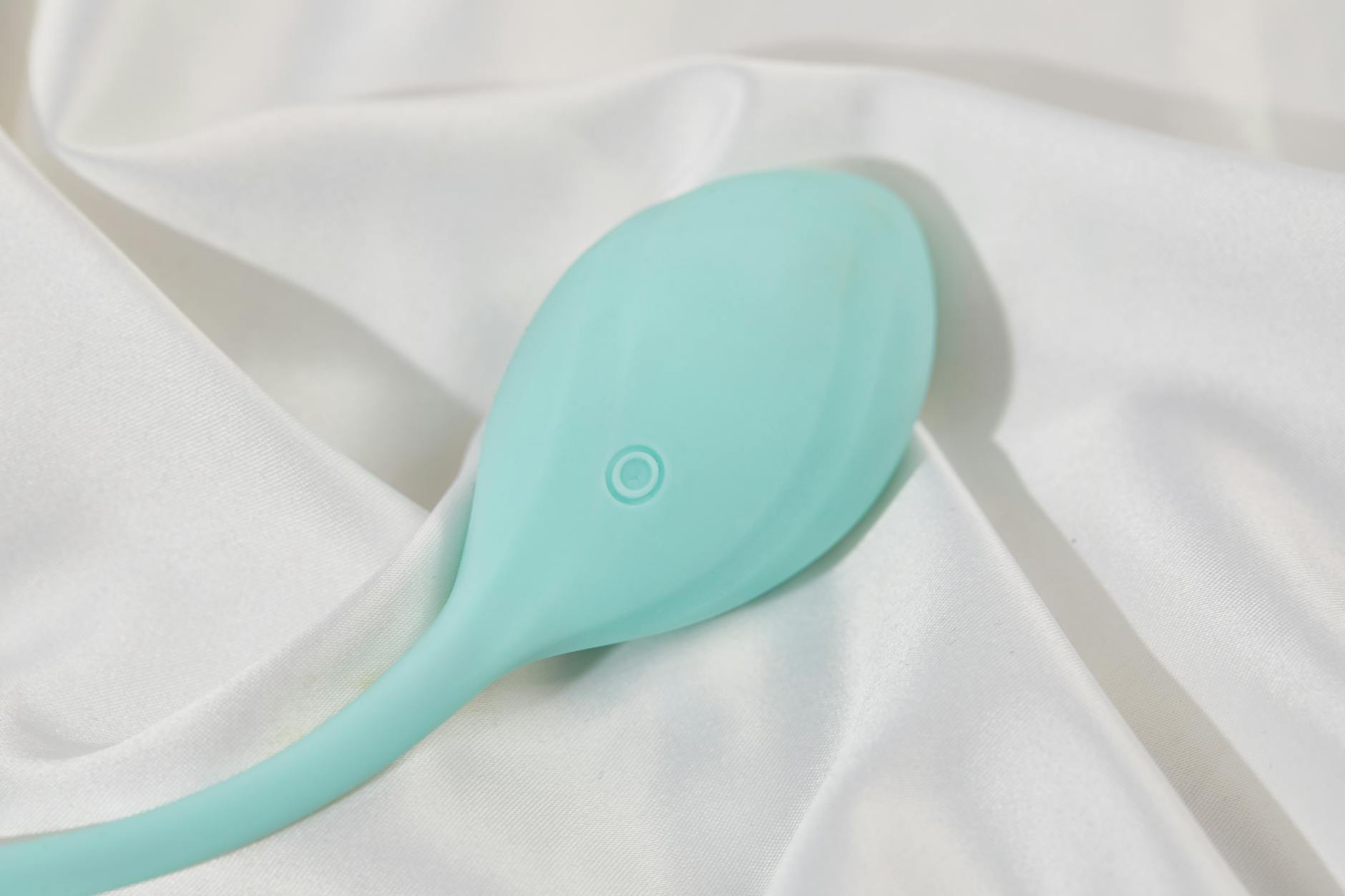
Let's be real. If you've tried a lemon sucker and felt pain, your first instinct is probably to assume your body's wrong somehow. It's not. Suction-based toys like the Lem work in a completely different way than traditional vibrators, and that difference is exactly why some people find them life-changing and others find them uncomfortable at first. The good news is that most pain is fixable.
I've worked with hundreds of people navigating this, and here's what I've learned: pain during use usually falls into one of three categories. Once you know which one you're dealing with, the fix becomes obvious.
A traditional vibrator buzzes against your skin. A lemon clitoral vibrator, by contrast, creates a gentle suction pulse that draws tissue into the device. It's not friction-based. This matters because your body responds to suction in a completely different way than it responds to vibration.
The sensation is often described as more intense, more localized, and sometimes almost overwhelming if you're not expecting it. Think of the difference between someone tapping your shoulder versus someone gently tugging on your sleeve. Same area, very different signal to your nervous system.
That intensity is why many people prefer lemon vibrators once they adjust. But it's also why the learning curve exists. Your tissue needs time to acclimate to the sensation, and your nervous system needs to learn when to relax into it versus tensing against it.
This is the sensation that makes you pull away instantly. It usually happens in the first few seconds and feels like pinching or a small shock. Here's what's actually happening: the suction is too strong right out of the gate, or you're starting at too high an intensity level.
Your tissue needs a warm-up. When you fire up a lemon vibrator at pattern 5 or 6 on your first try, you're essentially asking your clitoris to go from zero to sixty without preparation. That's not a sign the toy isn't for you. It's a sign you need to start lower.
The fix: start at pattern 1 or 2 every single time. I know it sounds slow, but this is not negotiable for comfort. Spend three to five minutes at the lowest setting, letting your tissue become engorged and responsive. This isn't wasted time. It's the entire point of foreplay, and a lemon vibrator just makes it faster and more direct.
This usually feels like a dull pressure or bruised sensation that shows up an hour or two after you've finished. It's not sharp pain during, but discomfort that lingers.
This typically means you spent too much time at too high an intensity, or you stayed in one spot without moving the toy around. Suction-based toys concentrate sensation in a tight area. Extended suction on the exact same spot can create that achy feeling, especially if the intensity was high.
The fix: move the device around. Don't plant it in one position for ten minutes. Gentle circular motions, repositioning every thirty seconds to a minute, and varying the intensity throughout keeps the sensation balanced. Also, longer doesn't mean better. Most people find their sweet spot with a lemon vibrator is ten to fifteen minutes, not thirty.
Some people describe this as the device feeling like it's "pulling" too hard, or creating an uncomfortable pressure that feels almost claustrophobic. It's not painful exactly, but it's definitely not pleasurable.
This often means the fit isn't quite right. Lemon clitoral vibrators work best when the opening sits flush against your tissue without excess skin bunching. If your anatomy is such that the device is creating irregular suction or pulling at surrounding tissue, that's the source of the discomfort.
The fix: reposition the device slightly, or try a small adjustment to the angle. Sometimes tilting it by fifteen degrees eliminates the pressure feeling entirely. If repositioning doesn't help, this might be a signal that a different toy would work better for your body. That's not a failure. It's just information.
Before you decide a lemon vibrator isn't for you, run through this checklist:
Lubrication: Are you using a water-based lubricant? This is non-negotiable. Suction-based toys work better with a thin layer of lube. It helps the seal sit properly and eliminates friction points that might create discomfort. If you're dry, the suction feels sharper and less pleasant.
Your mindset going in: This matters more than you'd think. If you're anxious about pain, your pelvic floor tenses in anticipation. A tense pelvic floor makes everything feel sharper and more uncomfortable. Anxiety creates tension creates pain. This is totally reversible with a couple of deep breaths and low expectations for session one.
The device itself: Is it clean? Is the seal intact? A damaged seal can create irregular suction that feels uncomfortable. Also, a cold toy feels sharper than a warm one. Run it under warm water for thirty seconds before use.
Your arousal level: This is the biggest one. Arousal is not just a mood. It's a physiological state where your tissue becomes more engorged, more elastic, and more responsive. Using a lemon vibrator when you're not actually aroused is like trying to stretch a cold rubber band. It snaps back.
Spend genuinely five to ten minutes on foreplay before you even introduce the toy. This means touch, imagination, whatever gets you turned on. Then introduce the device at the lowest intensity.
Some pain is a signal to adjust your approach. Some pain is a signal to stop and talk to someone.
If you experience sharp pain that doesn't improve with intensity adjustment, or if you develop bruising or swelling that lasts more than a day, pause and reach out to a gynecologist. This could indicate a pre-existing condition like vaginismus, vulvodynia, or another tissue sensitivity issue that deserves proper evaluation.
If pain appears consistently across multiple sessions even after adjusting technique, that's also worth getting checked out. A good provider can identify whether something like genital dermatitis or tissue thinning is at play.
Pain is your body's way of saying something's off. Listen to it. But also recognize that most initial discomfort with a new toy is about learning, not damage.
Here's what typically happens as you adjust to a lemon clitoral vibrator.
Session one: Mild discomfort, maybe some sharpness. You're learning what suction feels like. This is normal. Low intensity, short duration (five to ten minutes), lots of breaks.
Sessions two to four: The sensation becomes less shocking. Your body begins to anticipate it. You can stay at low intensity longer without discomfort. You might try pattern 2 or 3 briefly.
Sessions five to eight: You're finding your sweet spot. You know what intensity level feels good and which feels too much. The sensation is predictable. You're comfortable exploring higher patterns for short bursts.
Week three onward: This becomes your tool. You know your body's response, you have a technique that works, and you're using it with confidence.
This timeline isn't universal. Some people arrive at comfort in three sessions. Others take two weeks. That's completely fine. The pace has nothing to do with your capacity for pleasure. It has everything to do with learning a new sensation.
Start your session already slightly aroused. Don't introduce the toy cold. Give yourself a minute or two of mental foreplay first. Seriously.
Keep your pelvic floor soft. This is counterintuitive for many people, but a tight pelvic floor makes suction feel sharper and more uncomfortable. Take a breath. Relax. Let your pelvic floor be soft.
Move the device continuously. Don't stay still. Small movements, changing the angle, repositioning every minute. This keeps the sensation balanced and prevents the achy soreness that comes from prolonged suction in one spot.
Use a tiny amount of lubricant. Not a lot. Just a thin layer around the opening of the device and on your tissue. This makes the seal perfect and eliminates friction.
Never jump straight to high intensity. Ever. I don't care how confident you feel. Start low. Build up. Your tissue thanks you.
Stop before you feel frustrated. The moment you're thinking "this should feel better by now," you've hit the window for stopping. End on a good note. Your next session will be easier because you didn't push through.
Some discomfort on your first few tries is normal and usually fixable. Sharp pain that persists or worsening pain is not normal and warrants a check-in with a provider. Most pain during initial use comes from starting too high or too fast, not from the toy being wrong for you.
Pinching usually means the intensity is too high, you're not using enough lubrication, or your pelvic floor is tensed up. Try lowering the pattern by one or two levels, adding a tiny bit of water-based lube, and taking three deep breaths to relax your pelvic floor. Reposition the device and try again. The pinching should disappear immediately.
Yes. Sensitivity to touch is different from sensitivity to a particular toy's design. Many people with sensitive skin actually prefer lemon clitoral vibrators because they distribute sensation across a broader area rather than focusing it into a single point. Start low, use lubricant, and you'll likely find this works beautifully for you.
Most people report comfort within three to five sessions. Some feel fine in one or two. Others take two weeks. The learning curve depends on your familiarity with suction toys and how quickly your nervous system adapts to the sensation. Consistent use helps the adjustment happen faster.
Pain has a sharp, alarming quality. Your instinct is to pull away. Intense sensation might feel strong or even overwhelming, but there's no urge to escape it. If you're unsure whether what you're feeling is pain or just intensity, lower the pattern by one level. If the sensation becomes pleasurable, you were dealing with too much intensity. If the discomfort remains, you're likely dealing with pain that needs attention.
Not necessarily. Most pain is about technique and adjustment, not about the specific toy. Give your first toy three to five intentional sessions with all the adjustments mentioned before deciding it's not for you. If pain persists even with proper technique and warm-up, then exploring a different device makes sense. But jumping brands too quickly means you never give yourself a real chance to adjust.
A lemon vibrator doesn't have to hurt. If it does, something in your setup needs adjusting. Start low. Use lube. Warm up first. Move around. Breathe. Most pain disappears the moment one of these elements clicks into place.
Your pleasure matters. So does your comfort. They're not in competition. If something isn't working, you're allowed to pause, adjust, and try again. That's not giving up. That's actually how you figure out what works best for your body.
Ready to try again? Start with how to use a lemon vibrator for beginners for a complete walkthrough. If you're deciding between toy types, comparing lemon suckers to traditional vibrators can help you figure out if a lemon vibrator is actually the right fit. And if you're dealing with pain that doesn't fit these patterns, reach out at /contact and describe what's happening. We can help you troubleshoot.
Your body isn't the problem. You've just got a learning curve. And you're going to be fine.