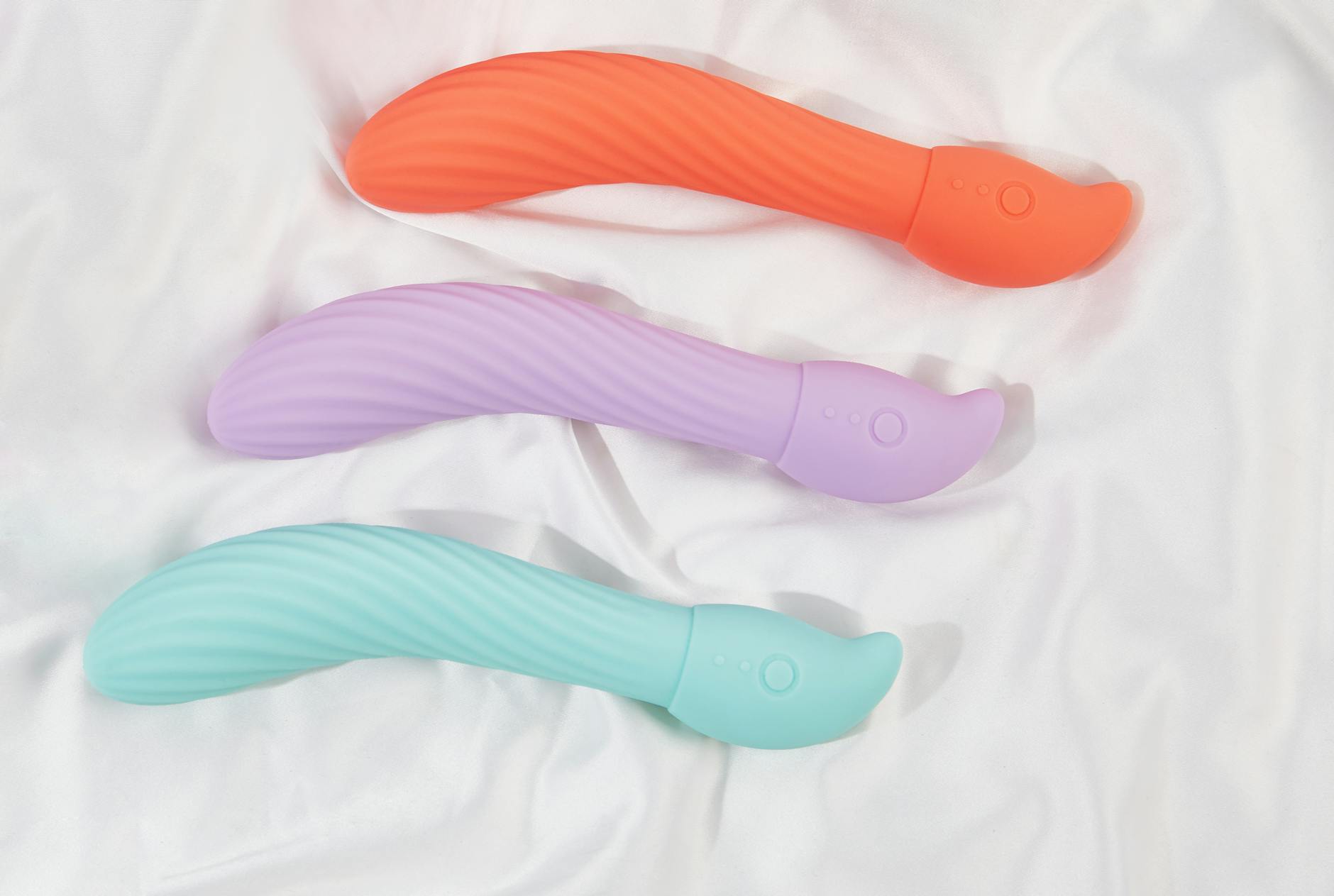
How to Use a Lemon Vibrator With Your Partner After a Long Illness
Rebuilding physical intimacy after health challenges doesn't have to feel awkward or pressured. Here's how couples use lemon vibrators to reconnect gently, honestly, and without shame.
Let's be real. Long illness—whether it's hospitalization, chronic pain management, depression, or months of recovery—doesn't just pause your body. It pauses the way you and your partner touch each other. And restarting that isn't as simple as deciding to have sex again.
Your body may feel unfamiliar. Your partner might be tentative, worried about hurting you or triggering symptoms. There's often shame mixed in, or fear that things won't feel the same. And they won't, at first. But that doesn't mean they can't feel good in new ways.
A lemon sucker like the Lem can become a bridge back to each other because it removes pressure and demands nothing from either partner except presence.
When someone's been seriously ill, three things shift in the bedroom.
First, the body itself changes. Medications dull sensation or create side effects that make arousal harder. Pain lingers even after the acute illness passes. Energy is lower. The nervous system may be in a heightened state of alert, making relaxation harder than it was before.
Second, your partner's anxiety changes everything. They may have watched you suffer. That caretaking role becomes wired into their nervous system, and it takes conscious effort to shift back into desire. Some partners feel guilty even thinking about sex when recovery is still ongoing.
Third, you've both lost time and routine. Intimacy isn't just about sex. It's about small touches, cuddles, the texture of being close. Illness often strips those away. Relearning them takes intention.
Here's what a lemon clitoral vibrator can do: it removes the performance pressure. You're not trying to prove you're healed. You're not trying to restore what was. You're exploring what feels good right now, in this version of both of you.
The biggest mistake couples make is bringing the lemon vibrator to bed without talking first.
This isn't a sexy conversation. It's a practical one. Set aside time when you're both clothed, calm, and not in bed. Say something like: "I've been thinking about how we can ease back into touch. I found this toy that might help us both feel less pressure. Would you be open to trying it together?"
Then listen to what your partner says. They might have fears you haven't considered. Maybe they're worried the vibrator means you're not attracted to them. Maybe they're afraid they'll hurt you. Maybe they don't feel ready yet, and that's information you need.
If they say yes, talk about logistics. When's a good time? What does comfort look like? Is there anything that makes them nervous? Do you want privacy or low music playing?
This conversation is the actual intimacy work. Everything after that is easier because the nervous system knows what to expect.
Think of your first session as exploration, not performance. There's no goal. No one has to orgasm. No one has to "finish." You're both just learning how this feels.
Start clothed. Sit together—maybe spoon position, maybe facing each other. Just hold each other for a few minutes. Let your nervous systems sync up. This isn't wasted time. This is the foundation.
When you're ready, remove underwear but keep shirts on if that feels safer. The person with the lemon vibrator (you, your partner, or you taking turns) starts at the lowest setting. There's no rush to turn it up.
Run it slowly over the outer labia first. No penetration, no pressure. The person receiving can say what feels good. "A bit lower." "Slower." "That feels nice." The person with the vibrator stays present and listens. This is conversation without words.
If arousal builds naturally, great. If it doesn't, that's fine too. Many people take 15 to 20 minutes to warm up after illness. Your nervous system may need time to trust that pleasure is safe again.
The suction feature of a lemon clitoral vibrator is gentler than traditional vibration, which matters for post-illness bodies. It stimulates without harsh pressure. If you've been avoiding touch because of pain, suction can feel revelatory because it's different from what hurt before.
Stop whenever you want. There's no rule that says you have to continue once you start. If something triggers discomfort or anxiety, pause. Talk about it. Try again another time.
Most couples worry about three things when reintroducing intimacy after illness.
First: "Will I hurt them?" You probably won't. But ask. "Does this feel okay? Any pressure you want me to adjust?" Your partner needs to hear that it's safe to say no.
Second: "What if nothing happens?" Maybe you won't have an orgasm. Maybe arousal is slow or inconsistent. This is normal after illness. The goal isn't orgasm. The goal is connection and gentle pleasure. Reframe success as "We spent time together touching each other and it felt good" rather than "We had sex."
Third: "What if it brings up difficult feelings?" Illness can trigger grief or trauma. If you or your partner gets emotional during or after intimacy, that's real and valid. You might need to pause, talk, cry, or just hold each other. This isn't a setback. This is healing.
Once you've tried the lemon vibrator together once and it felt manageable, you don't need to wait weeks for round two. But you also don't need to push daily.
Something like once or twice a week is often realistic. You're rebuilding a habit and a sense of safety in your body. Slow consistency beats intensity.
As you both get more comfortable, you can explore. Maybe your partner uses the Lem while inside you. Maybe you use it while they watch. Maybe it becomes part of foreplay before partnered sex, when you're both ready for that. Maybe it stays the main event for a while. All of this is fine.
The point is that you're moving together, checking in, and letting the tool serve your reconnection rather than creating pressure to perform.
Sometimes illness leaves behind pain that makes sex genuinely difficult. If penetration hurts or even gentle touch triggers muscle tension, don't push through it. See a pelvic floor physical therapist. They can identify where the tension is and teach you how to release it. This takes weeks or months sometimes, and it's worth it.
If anxiety or trauma around the illness makes intimacy feel impossible, couples therapy or sex therapy can help. A therapist can help you both process what happened and rebuild trust in each other's bodies.
If one partner's desire hasn't returned after a few months and everything else is healed, that's worth exploring too. Sometimes depression or medication side effects are still playing a role. Sometimes the relational damage takes longer to heal. Either way, asking for help isn't failure. It's caring for the relationship.
Couples often expect intimacy to snap back to what it was. It won't. And that's not a loss. Sometimes it becomes something better.
You've been through something hard together. You've learned that your partner can be tender, patient, and present under pressure. You've learned what your own body actually needs. You've removed pretense. When you come back to touch, it's often slower, more attentive, and more honest than it was before.
A lemon vibrator doesn't fix a relationship. But it can be a tool for reconnection when both partners show up with honesty and patience.
Completely normal. Illness—especially long illness—disrupts hormones, energy, and the nervous system's sense of safety. Your body has been in survival mode. It takes time to shift back to pleasure mode. If low desire persists beyond a few months of recovery and you're otherwise feeling better, talk to your doctor. Sometimes medications or lingering depression are still in play.
It depends on the type of pain. If it's muscular tension, gentle vibration and suction can sometimes help. If it's sharp or burning pain, wait. See a physical therapist first. Using a vibrator through pain signals can rewire your nervous system to brace rather than relax. Pain is information. Listen to it.
Talk through the nervousness. Is it about insecurity? Worry about STIs? Not understanding what it does? Answer the actual worry, not the surface question. Many partners worry that a vibrator means you're not attracted to them. Be direct: "This isn't about you not being enough. It's about easing back into pleasure together without pressure." If the nervousness persists, skip the vibrator for now. Reconnection works other ways too.
There's no universal timeline. It depends on what happened and how you're healing. Physical recovery (cleared by your doctor) is the baseline. But emotional recovery takes longer. You don't have to wait until you "feel normal" to start gentle exploration. Even five minutes of holding each other and slow touch rebuilds the nervous system connection. Let your bodies guide you. If pain or panic appears, pause and try again later.
Sometimes. Suction stimulates nerves differently than vibration, and some people find sensation returns more quickly with suction. But if numbness is a medication side effect, you may need to talk to your doctor about adjusting your dose or timing. Using a vibrator can help you explore what sensation is still there, which is valuable information either way.
Using it together is about presence and communication. Your partner learns what your body responds to. You learn to receive and ask for what feels good out loud. That skill transfers to all kinds of touch. Using it alone is about self-knowledge and pleasure on your own terms. Both are valuable. You can do both.
Rebuilding intimacy after illness isn't about rushing back to where you were. It's about meeting each other where you are right now, with honesty and patience. A lemon vibrator can be part of that bridge. But the real tool is communication, presence, and the willingness to explore pleasure together again, slowly.
If you're ready to start that conversation with your partner, you've already done the hardest part. Everything else is just showing up together.