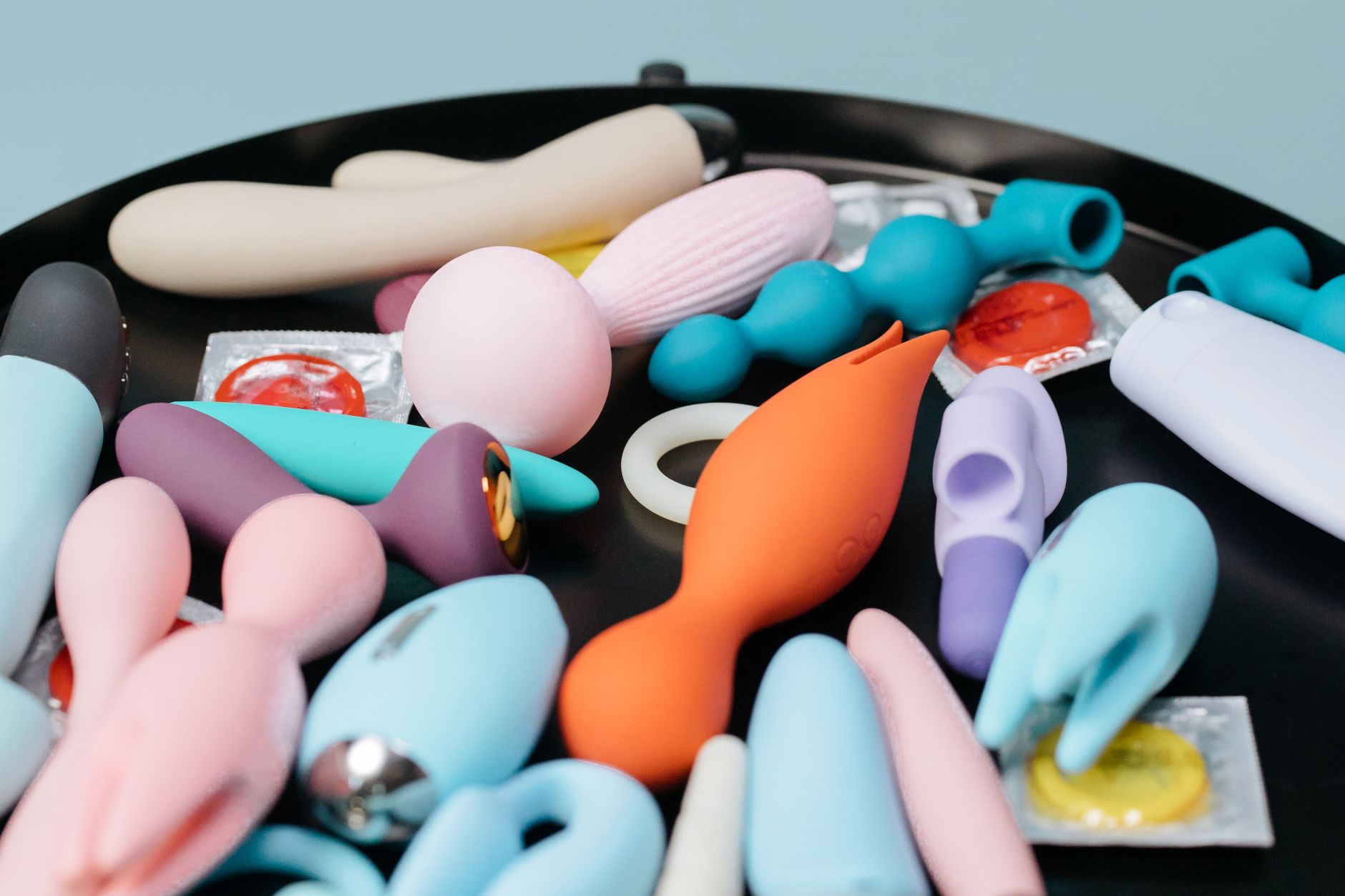
Your body doesn't stop wanting pleasure after 40. It just wants it delivered differently. Here's what changes, why lemon clitoral vibrators actually work better, and how to make the most of it.
Your body changes. Your preferences shift. The sensation you had at 25 when you could have an orgasm in three minutes flat? It's different now. And here's the thing: for most people, it's actually better. But only if you understand what's going on and adjust accordingly.
After 40, your clitoral tissue becomes more sensitive in some ways and less responsive in others. Blood flow shifts. Hormone levels change, even if you're nowhere near menopause. Your pelvic floor has experienced a decade-plus of living, and the way pleasure builds through your body evolves. A toy that worked brilliantly at 30 might feel too intense now, or not intense enough, or just kind of wrong in a way you can't quite name.
Here's what you need to know: this isn't decline. It's recalibration.
Your clitoris isn't getting smaller or less sensitive. What's changing is the tissue surrounding it and the way your nervous system routes pleasure signals to your brain.
After 40, the skin and connective tissue around the clitoris become more delicate. The clitoral hood (the protective fold of skin) often becomes thinner, which means direct stimulation can feel sharper, almost scratchy, where it once felt smooth. At the same time, the nerve endings themselves remain robust. They're just more reactive to the type of stimulus they receive.
This is where lemon clitoral vibrators shift the game. Traditional vibrators rely on rapid, high-frequency oscillation. Lemon vibrators use air-pulse suction technology, which stimulates the entire clitoral complex without direct friction. For bodies after 40, this matters wildly. You're getting deep, full-body nerve activation without the surface-level irritation.
The sensation feels broader, less pointed. Many people describe it as "surrounding" the clitoris rather than targeting it. At 25, you might have found that boring. At 40-plus, it often feels exactly right.
Arterial blood flow to the genitals peaks in your 20s and gradually decreases after that. It's not dramatic. It's subtle. But it means arousal takes longer to build, and the plateau of full arousal requires more sustained attention.
You might notice that you need more foreplay now, or that you need a partner (or toy) to stay engaged longer before your body reaches the peak of arousal. This isn't a problem. It's information. And it completely explains why you might be bored with a toy that used to work instantly.
A lemon vibrator's pulsing pattern mimics the way your body naturally builds arousal. Instead of one constant buzz, you get waves of sensation that allow your nervous system to register and respond. Your body can breathe into it. You're not fighting against overstimulation; you're riding waves that feel like they're coming from inside your own physiology.
After 40, you might feel more sensitive. You might find that things that felt fine at 35 now feel too intense. This doesn't mean you're broken or that your pleasure capacity is shrinking. It means the sensitivity is more acute, more concentrated.
Think of it like hearing. If you have perfect pitch, you notice frequencies that other people miss. After 40, your clitoral sensitivity becomes more selective. A blunt, constant stimulation can feel like someone playing the same note over and over at full volume. A lemon vibrator, with its nuanced pulse patterns, feels like actual music.
Many people who switch to lemon clitoral vibrators after 40 report stronger, more satisfying orgasms than they had in their 30s. It's not that pleasure increased. It's that the toy finally matched the complexity of what their body was asking for.
Here's something no one talks about: the orgasm itself evolves after 40.
In your 20s, an orgasm might feel like a sharp peak, a singular moment of intense release. After 40, it often becomes broader, more textured. Some people experience multiple smaller peaks instead of one crescendo. Others find that the orgasm spreads through their whole body rather than concentrating in one spot.
This shift is partly neurological, partly hormonal, and partly just the result of your nervous system learning its own landscape. A toy designed for sharp, quick peaks might not deliver what your body now craves. Lemon clitoral vibrators, with their gentle, encompassing air-pulse technology, tend to align beautifully with this evolved sensation.
You're not chasing the orgasm you used to have. You're discovering the one you have now. And it's usually richer.
After 40, pelvic floor tension becomes more common, especially if you've been holding stress in your body for years. A tight pelvic floor can actually make direct vibration feel uncomfortable, almost like electrical static. A lemon vibrator's suction action allows you to relax into the sensation rather than bracing against it.
The pelvic floor also changes in how it contracts during orgasm. The rhythm might be different, the intensity might vary, and the recovery time might shift. All of this is normal, and none of it requires a different toy—until you find one that feels better. A good lemon clitoral vibrator adapts to your pelvic floor's current state of tension and relaxation.
If you've been using a traditional vibrator and you move to a lemon vibrator after 40, the adjustment is usually quick. Your first impression might be "wait, it's not buzzing?" That's because lemon clitoral vibrators aren't loud, constant oscillators. They're gentle pulsers.
Give it five minutes of exploration. Most people find themselves settling into a rhythm almost immediately because the sensation aligns with how their body actually wants to be touched at this stage. The learning curve is minimal because it feels intuitive, not novel.
You might find you want longer sessions now, not shorter ones. The orgasm might take ten minutes instead of three. That's not fatigue; that's pleasure. Your body was waiting for a toy that could match its actual tempo.
If you share pleasure with a partner, the shift to a lemon clitoral vibrator can actually deepen things. A toy that used to be "quick and efficient" is now part of foreplay. It extends the experience. It creates more time for intimacy, more opportunity for connection.
Partners sometimes worry that a toy means they're doing something wrong. After 40, introducing a lemon vibrator is actually the opposite signal. It's saying your body has evolved, and you're investing in experiencing more pleasure, not less. That's a conversation worth having directly, and most partners feel relief when they understand that.
After 40, you might find that the best orgasms come from consistent, moderate stimulation over a longer period, rather than intense, high-frequency stimulation. This is where lemon vibrators genuinely excel. They're designed for sustained, rhythmic pleasure, not for shock-and-awe sensation.
Many people also find that they want to control the intensity more deliberately. A good lemon vibrator should have multiple settings, allowing you to start soft and build, rather than starting at maximum and dialing down. This kind of control becomes increasingly important as your body's responsiveness becomes more nuanced.
After 40, your body knows what it likes. It's less forgiving of mediocre sensation, which sounds like a limitation until you realize it's actually a gift. You've developed discernment. You're not settling for okay; you're seeking excellent.
A lemon clitoral vibrator is built for the body that knows itself. It's not a toy for beginners because beginners usually don't know yet what they're missing. It's a toy for people who've accumulated enough sexual experience to understand that pleasure is a conversation between intention and sensation, and they want both to be sophisticated.
Lemon clitoral vibrators use air-pulse suction technology instead of rapid vibration. This creates waves of pressure that mimic the body's natural arousal response, rather than direct friction against sensitive tissue. For bodies after 40, where surface sensitivity increases, this feels less abrasive and more aligned with how your nervous system wants to be stimulated.
Completely normal. Your body's blood flow, hormone levels, and nervous system sensitivity all shift gradually over time. These aren't declines; they're recalibrations. Most people find that understanding these shifts actually improves their sex life because they can choose tools and approaches that match their current physiology rather than fighting against it.
Absolutely. Many people have their most intense orgasms in their 40s and beyond. The intensity might feel different—broader, more textured, less sharp—but it's often deeper. A lemon vibrator can actually make these orgasms more accessible because it stimulates the clitoral complex in a way that resonates with how your nervous system works now.
Not dramatically differently, but a few small adjustments help. Budget more time for arousal. Start at a lower intensity setting and build gradually. Pay attention to what your pelvic floor is doing; if you notice tension, take a breath and consciously relax. For a complete guide to technique, we have a detailed walkthrough.
Silicone holds temperature, so a lemon vibrator will feel cool when you first touch it. Most people warm it up within the first minute of use. If cool sensation bothers you, you can warm it by running it under warm water first. After a minute of contact with your skin, it adjusts to body temperature and feels like part of your own body.
This is actually an ideal time to start. Your body knows what it likes. A lemon clitoral vibrator's gentle pulsing is less intimidating than a traditional buzzer if vibration isn't part of your experience yet. Many people over 40 who are trying a vibrator for the first time report that lemon vibrators feel intuitive rather than foreign.
After 40, your body isn't less capable of pleasure. It's more sophisticated about the kind of pleasure it wants. A lemon clitoral vibrator meets that sophistication. It's not a downgrade from what you used before. It's an upgrade that acknowledges what you've learned about yourself.
Your sensitivity, your pacing, your orgasmic architecture—all of it is richer now. You deserve a toy that recognizes that. If traditional vibrators have started feeling out of sync with your body, it's not you. It's the mismatch between what your body is asking for and what the tool was designed to deliver.
The good news: that mismatch is easily fixed. And once it is, you often find that pleasure after 40 isn't a holding action. It's actually the peak.
Ready to explore what a better fit feels like? Let's talk. Reach out to us if you have questions about finding the right lemon vibrator for your body, or check out our buying guide to see what options match your needs.